Yoga for menopausal women is becoming one of the most recommended natural approaches to managing menopause symptoms. As women move through this stage of life, they often experience hot flashes, mood swings, insomnia, and joint pain. Fortunately, yoga offers a gentle and holistic way to support both the body and mind during this transition.
Menopause is not a disease; rather, it is a natural phase that every woman experiences, usually between the ages of 45 and 55. Although hormonal changes can sometimes feel overwhelming, the right yoga practice can make a significant difference. In fact, regular yoga may help reduce stress, improve sleep, enhance flexibility, and restore a sense of balance and well-being.
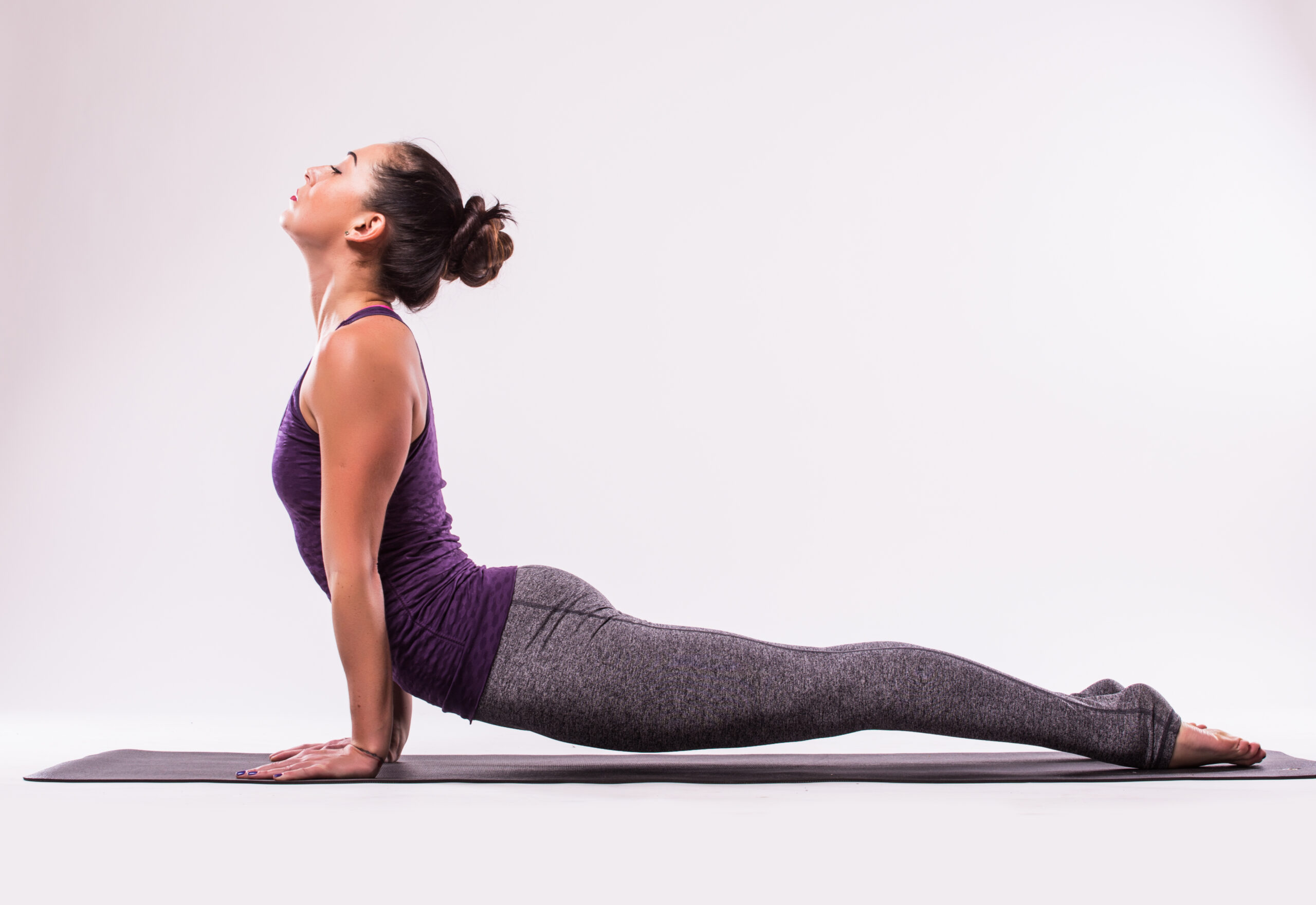
Why Yoga for Menopausal Women Is So Effective
During menopause, estrogen levels decline significantly, and as a result, many women notice changes in their mood, metabolism, and energy levels. In addition, bone density and muscle mass may gradually decrease.
However, yoga addresses many of these concerns at the same time. It combines gentle movement, deep breathing, and mindfulness practices. Consequently, it can help calm the nervous system and improve emotional resilience.
Moreover, yoga encourages women to slow down and reconnect with their bodies, which is particularly important during periods of hormonal change.
Benefits of Yoga for Menopausal Women
Regular yoga practice offers numerous benefits. For example, it can reduce stress, improve sleep, and ease muscle tension. Furthermore, it helps improve flexibility and balance, which become increasingly important with age.
In addition, yoga promotes better circulation and encourages mindful breathing. As a result, many women report feeling calmer, more energetic, and better equipped to handle menopause symptoms
Unlike high-intensity workouts that can sometimes feel exhausting during menopause, yoga provides a gentle form of exercise that nourishes both the body and mind.
12 Best Yogasanas for Menopausal Women
1. Tadasana (Mountain Pose)
Tadasana may appear simple; however, it forms the foundation of many standing yoga poses. By practicing it regularly,you can improve posture and develop better body awareness.
Benefits:
- Strengthens legs and core
- Improves posture
- Enhances balance
- Encourages mindful breathing
How to Practice:
Stand tall with your feet together, lengthen your spine, and take slow, deep breaths for one minute.
2. Vrikshasana (Tree Pose)
Hormonal changes can sometimes affect balance. Therefore, Tree Pose is especially beneficial because it strengthens the legs while improving concentration and stability.
Benefits:
- Improves balance
- Strengthens the legs
- Enhances focus
- Reduces the risk of falls
Hold the pose for 30 seconds on each side.
3. Baddha Konasana (Butterfly Pose)
This gentle pose opens the hips and encourages relaxation. Additionally, it helps relieve tension in the pelvic area and promotes better circulation.
Benefits:
- Improves hip flexibility
- Reduces pelvic tension
- Encourages relaxation
- Helps release stress
Stay in the pose for one to three minutes while breathing deeply.
4. Marjaryasana-Bitilasana (Cat-Cow Pose)
One of the best yoga movements for relieving stiffness and improving spinal mobility.
Benefits:
- Relieves back pain
- Increases flexibility
- Improves posture
- Promotes deep breathing
Repeat for 10 to 15 rounds.
5. Setu Bandhasana (Bridge Pose)
Bridge Pose opens the chest and strengthens the back. At the same time, it encourages deeper breathing and can help relieve feelings of fatigue.
Benefits:
- Strengthens the back
- Improves circulation
- Reduces anxiety
- Enhances energy levels
Hold for 20 to 30 seconds.
6. Balasana (Child’s Pose)
A restorative pose that encourages relaxation and stress relief.
Benefits:
- Relaxes the nervous system
- Reduces fatigue
- Calms the mind
- Relieves tension
Hold for two to five minutes.
7. Viparita Karani (Legs-Up-the-Wall Pose)
Many women struggle with sleep during menopause. Fortunately, this restorative pose calms the nervous system and promotes relaxation. As a result, it is often recommended before bedtime.
Benefits:
- Improves sleep quality
- Reduces fatigue
- Relieves swollen feet
- Calms the mind
Practice for five to ten minutes before bedtime.
8. Supta Baddha Konasana (Reclining Butterfly Pose)
A deeply restorative pose that promotes relaxation.
Benefits:
- Reduces stress
- Encourages deep breathing
- Relieves anxiety
- Supports emotional balance
Stay in the pose for five minutes.
9. Paschimottanasana (Seated Forward Bend)
Forward bends are known for their calming effect on the nervous system.
Benefits:
- Relieves irritability
- Improves flexibility
- Reduces stress
- Encourages mindfulness
Hold for 30 to 60 seconds.
10. Adho Mukha Svanasana (Downward Dog)
This full-body stretch increases circulation and energy.
Benefits:
- Strengthens muscles
- Improves flexibility
- Relieves tension
- Enhances blood flow
Hold for 20 to 30 seconds.
11. Uttanasana (Standing Forward Fold)
This pose relaxes the body and mind while stretching the hamstrings and back.
Benefits:
- Calms the nervous system
- Reduces fatigue
- Relieves stress
- Improves flexibility
Practice for one minute.
12. Savasana (Corpse Pose)
No yoga session is complete without deep relaxation.
Benefits:
- Lowers stress hormones
- Improves sleep
- Encourages mental clarity
- Restores emotional balance
Practice for five to ten minutes at the end of every session.
Daily Yoga Routine for Menopausal Women
You do not need to spend hours on the mat to experience the benefits of yoga. Instead, start with just 20 to 30 minutes each day.
For example, you can practice energizing poses such as Tadasana and Cat-Cow in the morning. Later in the evening,restorative poses like Child’s Pose and Legs-Up-the-Wall can help prepare your body for restful sleep.
Most importantly, consistency matters more than intensity. Therefore, a simple daily practice is often more beneficial than an occasional long session.
Additional Lifestyle Tips
Yoga works best when combined with healthy lifestyle habits:
- Stay hydrated.
- Eat a calcium-rich and protein-rich diet.
- Prioritize sleep.
- Spend time outdoors for natural vitamin D.
- Practice meditation and deep breathing.
- Limit excessive caffeine and alcohol.
Can Yoga Cure Menopause Symptoms?
Yoga cannot stop menopause or reverse hormonal changes. However, it can significantly reduce the intensity of symptoms and improve overall quality of life. Many women find that regular yoga practice helps them feel calmer, stronger, more flexible, and more in control of their bodies.
Final Thoughts
Menopause is a new chapter, not the end of wellness and vitality. With the right practices, it can become a period of self-discovery, strength, and renewed focus on health.
Among all forms of exercise, yoga offers a unique combination of physical movement, relaxation, and emotional balance that makes it particularly beneficial during menopause.
By incorporating these yogasanas into your daily routine, you can naturally manage many of the challenges of menopause and embrace this stage of life with confidence, energy, and grace.

Hello!!
I’m Dr. Malini Bhat MD (Ayu); an Ayurvedic Doctor and a health blogger. Follow me on social media to get daily health tips which you can easily adapt to a healthy lifestyle.