Menopause is a natural stage in every woman’s life, marking the end of menstrual cycles and reproductive years. However, the transition into menopause doesn’t happen overnight. Instead, it occurs gradually and often begins with subtle changes that can leave many women wondering what’s happening to their bodies.
Understanding the signs you’re entering menopause and what to expect can help you feel more prepared and confident during this significant life transition.
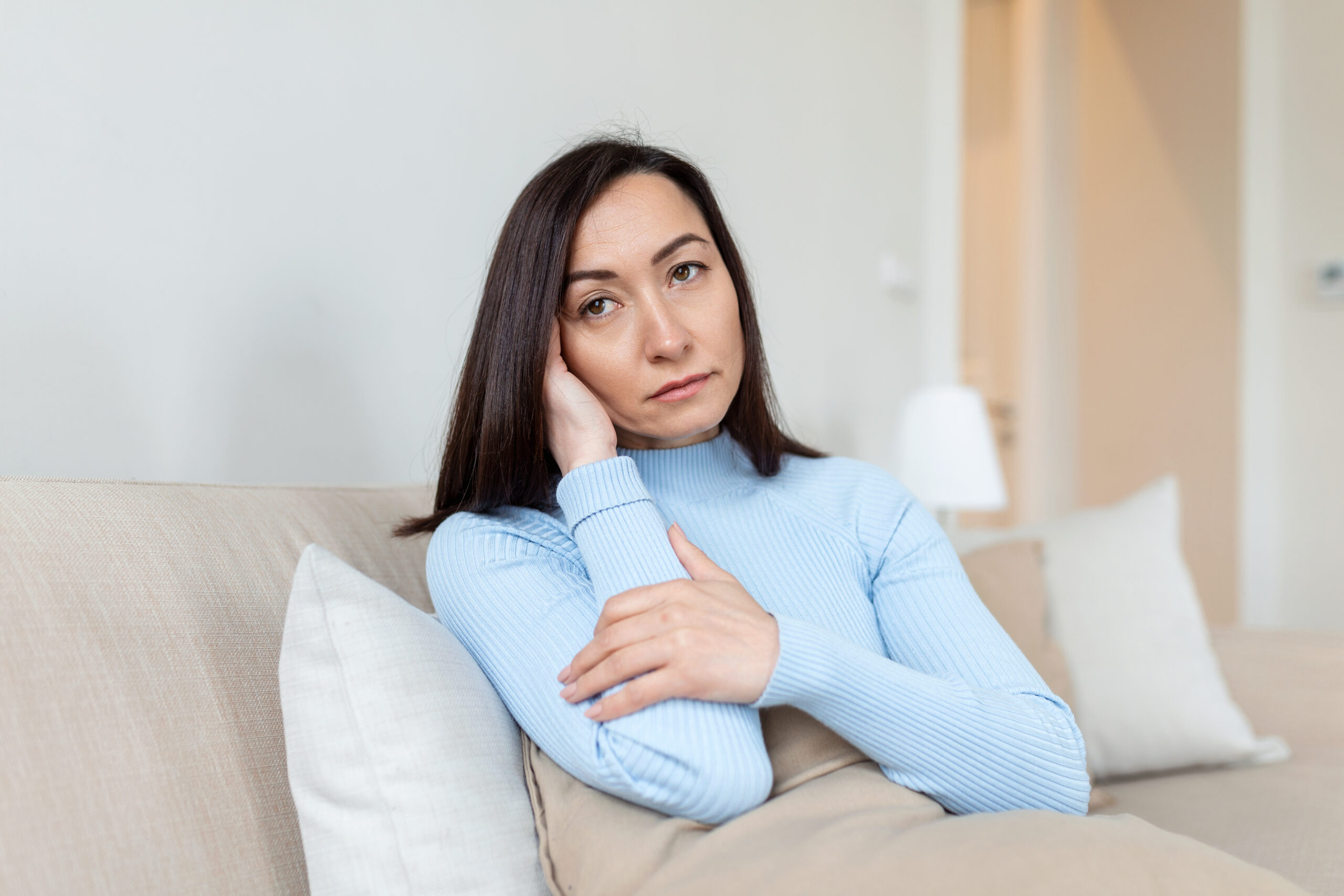
What Is Menopause?
Menopause is officially diagnosed when a woman has gone 12 consecutive months without a menstrual period. Most women experience menopause between the ages of 45 and 55, although some may experience it earlier or later.
Before menopause occurs, women typically go through a transitional phase called perimenopause, which can last several years. During this time, hormone levels, particularly estrogen and progesterone, begin to fluctuate.
Common Signs You’re Entering Menopause
1. Irregular Periods
One of the earliest signs of menopause is a change in your menstrual cycle. Your periods may become:
- Shorter or longer
- Heavier or lighter
- More frequent or less frequent
Eventually, periods stop altogether.
2. Hot Flashes and Night Sweats
Hot flashes are sudden feelings of warmth that spread throughout the body, particularly in the face, neck, and chest. Night sweats are hot flashes that occur during sleep.
As a result, many women experience disrupted sleep and daytime fatigue.
3. Mood Changes
Hormonal fluctuations can significantly affect emotional well-being. You may notice:
- Increased irritability
- Anxiety
- Mood swings
- Feelings of sadness or depression
However, understanding these changes can help you manage them more effectively.
4. Sleep Problems
Many women find it difficult to fall asleep or stay asleep during perimenopause. This may be due to:
- Night sweats
- Hormonal changes
- Increased stress and anxiety
Consequently, lack of sleep can affect concentration and overall health.
5. Vaginal Dryness and Discomfort
Declining estrogen levels can cause the vaginal tissues to become thinner and drier. Therefore, some women experience:
- Vaginal itching
- Discomfort
- Pain during intercourse
Fortunately, various treatments and lifestyle adjustments can help manage these symptoms.
6. Weight Gain and Slower Metabolism
Many women notice that maintaining their usual weight becomes more challenging during menopause. Hormonal changes can contribute to:
- Increased abdominal fat
- Reduced muscle mass
- Slower metabolism
Nevertheless, regular exercise and healthy eating can make a significant difference.
7. Brain Fog and Memory Issues
You may occasionally forget names, appointments, or where you left your keys. While these memory lapses can be frustrating, they are often a normal part of the menopausal transition.
8. Changes in Sex Drive
Hormonal fluctuations may lead to changes in libido. Some women experience a decrease in sexual desire, while others notice little change.
Additionally, factors such as sleep quality and emotional health can also influence sexual well-being.
9. Hair and Skin Changes
Lower estrogen levels can affect your appearance by causing:
- Thinning hair
- Dry skin
- Increased wrinkles
- Brittle nails
Although these changes are natural, proper skincare and nutrition can help maintain healthy skin and hair.
What to Expect During Menopause
Physical Changes
Menopause can bring a variety of physical symptoms, including:
- Joint aches
- Headaches
- Fatigue
- Changes in body composition
These symptoms vary widely from person to person.
Emotional Changes
Many women experience emotional ups and downs during menopause. However, it’s important to remember that these feelings are often temporary and manageable.
Long-Term Health Considerations
After menopause, declining estrogen levels may increase the risk of:
- Osteoporosis
- Heart disease
- High cholesterol
Therefore, regular health check-ups become increasingly important.
How to Manage Menopause Symptoms
Stay Physically Active
Exercise can help:
- Improve mood
- Maintain a healthy weight
- Strengthen bones
- Promote better sleep
Eat a Balanced Diet
Focus on foods rich in:
- Calcium
- Vitamin D
- Protein
- Fruits and vegetables
In addition, limiting processed foods and excessive sugar may help reduce symptoms.
Manage Stress
Practices such as:
- Meditation
- Deep breathing exercises
- Yoga
- Spending time outdoors
can help improve emotional well-being.
Prioritize Sleep
To improve sleep quality:
- Maintain a consistent bedtime routine.
- Keep your bedroom cool.
- Limit caffeine and screen time before bed.
Speak With Your Healthcare Provider
If symptoms significantly affect your quality of life, discuss treatment options with your doctor. Hormone therapy and other treatments may provide relief for certain women.
When Should You Seek Medical Advice?
Although menopause is a natural process, you should consult a healthcare professional if you experience:
- Very heavy bleeding
- Bleeding after menopause
- Severe depression
- Symptoms that interfere with daily activities
Early medical advice can help address any underlying concerns.
Final Thoughts
The signs you’re entering menopause can appear gradually and may differ from one woman to another. Nevertheless, understanding these changes can make the transition less overwhelming and more manageable.
Menopause is not the end of vitality—rather, it is the beginning of a new stage of life that offers opportunities to prioritize your health and well-being. By recognizing the symptoms and knowing what to expect, you can navigate menopause with confidence and take proactive steps toward maintaining a healthy, fulfilling life

Hello!!
I’m Dr. Malini Bhat MD (Ayu); an Ayurvedic Doctor and a health blogger. Follow me on social media to get daily health tips which you can easily adapt to a healthy lifestyle.