Kokum is a traditional Indian fruit that deserves far more attention than it receives today. Known for its deep purple skin and pleasantly sour taste, this tropical fruit has long held a place in regional cuisines and traditional Ayurvedic practices. From refreshing summer drinks to tangy curries and traditional preparations, Kokum fruit benefits extend beyond its distinctive flavour.
Scientifically known as Garcinia indica, Kokum grows mainly along India’s western coastal regions. Although many people know the fruit as a culinary ingredient, traditional communities have valued it for generations as part of seasonal food practices. Moreover, Ayurveda traditionally considers taste, digestive qualities, season, and individual constitution when discussing foods such as Kokum.
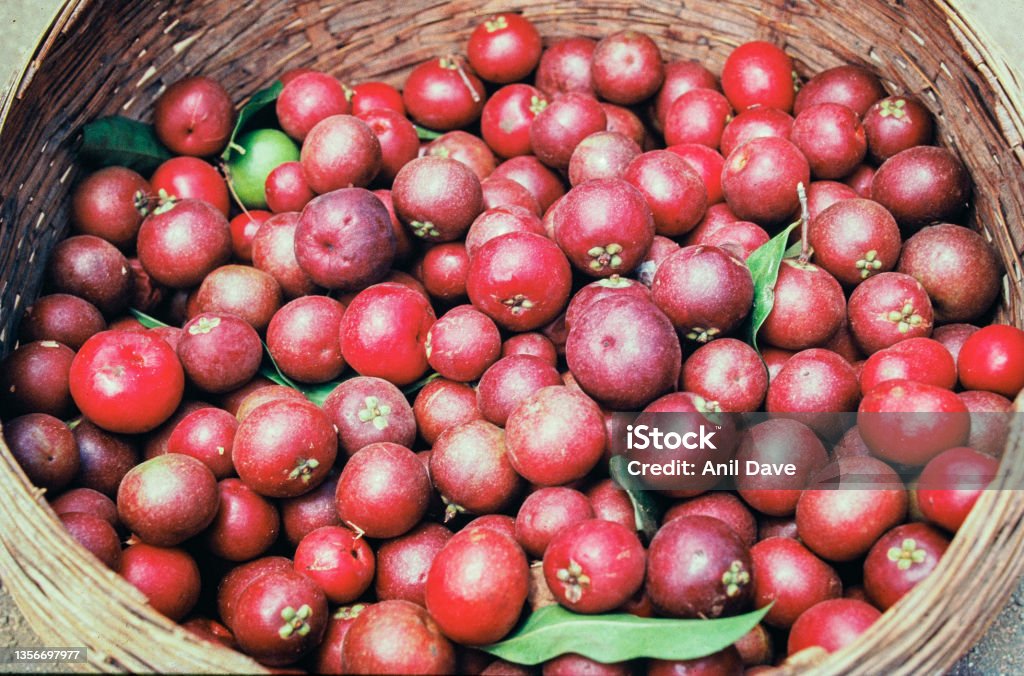
What Is Kokum?
Kokum is a small, round fruit that develops a dark reddish-purple colour when ripe. People commonly dry its outer rind and use it as a souring ingredient in curries, dals, beverages, and chutneys.
The fruit has a distinctive tangy flavour. Therefore, Kokum often provides a natural alternative to tamarind or other souring ingredients in traditional Indian cooking.
Kokum is especially associated with the food traditions of the Konkan region, Goa, Maharashtra, Karnataka, and parts of Kerala. In addition, its dried rind can be stored for long periods, making it a practical seasonal ingredient.
Kokum Fruit Benefits in Traditional Ayurveda
In Ayurveda, foods are traditionally understood through qualities such as rasa (taste), virya (potency), and their potential influence on the doshas. Kokum has traditionally been appreciated particularly for its sour taste and refreshing nature.
However, Ayurveda does not treat every food as universally suitable. Instead, an individual’s constitution, digestive strength, season, and current imbalance may influence whether and how a particular food is used.
1. Traditionally Valued for Digestive Comfort
One of the traditional Kokum fruit benefits involves its use in meals and beverages intended to support digestive comfort. Its tangy taste can make food more appetising, while traditional cuisines often include Kokum in preparations designed for warm weather.
For example, Kokum is frequently added to light curries and digestive drinks. However, people with individual sensitivities to sour foods may need to consume it in moderation.
2. A Refreshing Fruit for Hot Weather
Kokum has a long association with summer beverages. Traditional Kokum drinks are often enjoyed during hot weather because of their refreshing and pleasantly tangy character.
From an Ayurvedic perspective, seasonal food choices matter. Therefore, cooling and refreshing preparations may become particularly appealing during periods of intense heat.
A simple Kokum drink can combine Kokum extract or soaked dried rind with water and traditional ingredients such as cumin, depending on the recipe and regional practice.
3. Traditionally Associated with Pitta-Friendly Food Practices
Because Ayurveda pays close attention to qualities such as heat, sourness, and their effects on the body, Kokum may appear in traditional discussions of seasonal diets intended to support Pitta balance.
Nevertheless, sour foods can affect individuals differently. Therefore, Ayurvedic dietary choices should consider the person’s overall constitution and digestive condition rather than relying on a single ingredient.
4. Supports Variety in Traditional Seasonal Diets
Modern diets often rely on a limited range of fruits and ingredients. Kokum, on the other hand, offers an opportunity to reconnect with regional and seasonal food traditions.
Including a wider variety of traditional foods may also encourage more diverse flavours in everyday meals. For instance, Kokum can add tanginess to soups, curries, dals, chutneys, and refreshing drinks.
Kokum and the Three Doshas
Ayurveda traditionally evaluates foods according to their possible relationship with Vata, Pitta, and Kapha. However, the effects of Kokum may depend on its preparation, quantity, accompanying ingredients, and the individual consuming it.
Kokum and Pitta
Kokum is traditionally popular in summer preparations and may be included in diets intended to support balance during hot weather. Nevertheless, individual tolerance remains important.
Kokum and Vata
The sour taste is traditionally considered capable of influencing Vata. Therefore, Kokum may be combined with other balancing ingredients in warm, freshly prepared meals.
Kokum and Kapha
People may use Kokum as part of flavourful, lighter preparations. However, Ayurveda considers the entire meal and the person’s constitution rather than judging an ingredient in isolation.
Traditional Ways to Use Kokum
Kokum is remarkably versatile. Here are some traditional and modern ways to include it in your diet:
Kokum Sharbat
Kokum sharbat is one of the most popular ways to enjoy this forgotten fruit. The concentrated preparation is mixed with water to create a sweet and tangy summer drink.
You can adjust the sweetness according to your preference. Additionally, spices such as roasted cumin may complement its distinctive flavour.
Kokum in Curries and Dals
Dried Kokum rind can add a gentle sourness to curries, lentils, and vegetable dishes. Simply soak the rind when needed and add it during cooking.
As a result, Kokum can provide a different flavour profile from tamarind or lemon.
Kokum Sol Kadhi
In coastal Indian cuisine, Kokum often appears in Sol Kadhi, a traditional drink or accompaniment prepared with Kokum and coconut milk.
This regional preparation offers a beautiful example of how traditional food cultures combine local ingredients into simple and flavourful dishes.
Kokum in Chutneys and Sauces
You can also experiment with Kokum in chutneys, dressings, and sauces. Its natural tanginess can complement vegetables, grains, and traditional Indian meals.
Why Kokum Deserves a Place in Modern Diets
The popularity of imported superfoods sometimes overshadows the nutritional and culinary diversity of traditional Indian ingredients. Yet Kokum reminds us that regional food traditions contain many unique fruits worth rediscovering.
Moreover, choosing traditional ingredients can help preserve local culinary knowledge. Kokum also brings a distinctive flavour to meals without requiring complicated preparation.
Rather than viewing Kokum as a miracle ingredient, it may be more useful to appreciate it as part of a varied and balanced diet. In Ayurveda, balance depends on the individual, the season, digestive capacity, and the overall dietary pattern.
How to Add Kokum to Your Routine
If you want to explore Kokum fruit benefits and its unique flavour, start with small amounts.
You could try:
- Adding soaked Kokum rind to dals or vegetable curries.
- Preparing a refreshing Kokum drink during hot weather.
- Exploring traditional Sol Kadhi recipes.
- Using Kokum instead of tamarind occasionally.
- Adding Kokum to homemade chutneys or sauces.
Additionally, choose preparations that suit your taste and individual dietary needs.
A Forgotten Fruit Worth Rediscovering
Kokum represents more than a tangy ingredient from India’s coastal kitchens. It reflects the richness of traditional food knowledge and the importance of eating according to season and locality.
The traditional Kokum fruit benefits discussed in Ayurveda and regional food cultures should be understood within their historical and dietary context. Therefore, instead of expecting one fruit to transform your health, consider Kokum as one flavourful component of a varied lifestyle and balanced diet.
As interest in traditional foods continues to grow, Kokum deserves a place among the Forgotten Fruits of Ayurveda. Its vibrant colour, distinctive taste, culinary versatility, and long history in Indian food traditions make this humble fruit well worth rediscovering.
Frequently Asked Questions About Kokum
What is Kokum used for?
Kokum is commonly used as a souring ingredient in curries, dals, chutneys, and beverages. Traditionally, people have also included it in seasonal preparations, particularly during hot weather.
What are the traditional Kokum fruit benefits?
Traditional food and Ayurvedic practices have valued Kokum for its refreshing taste and its role in preparations associated with digestive comfort and seasonal balance. Individual responses may vary.
Is Kokum good for Pitta?
Kokum appears in traditional dietary practices associated with hot weather and Pitta balance. However, Ayurveda considers individual constitution, quantity, preparation, and overall digestive condition.
How can I use dried Kokum?
You can soak dried Kokum rind and add it to curries, dals, soups, or traditional beverages. It provides a distinctive tangy flavour.
Can everyone consume Kokum?
Most foods suit people differently. Those with food sensitivities, digestive concerns, or specific medical conditions should consider their individual needs and seek professional advice when necessary.
Disclaimer
This article is intended for general educational and informational purposes only. The information about Kokum and Ayurveda reflects traditional practices and should not be considered medical advice, diagnosis, or treatment. Kokum is a food ingredient, and traditional uses do not guarantee specific health outcomes.
If you have a medical condition, food allergy, digestive concern, or take regular medication, consult a qualified healthcare professional before making significant dietary changes. Always seek professional medical advice for persistent or serious symptoms.

Hello!!
I’m Dr. Malini Bhat MD (Ayu); an Ayurvedic Doctor and a health blogger. Follow me on social media to get daily health tips which you can easily adapt to a healthy lifestyle.