Fenugreek leaves benefits extend beyond their distinctive flavour and familiar place in Indian cooking. Commonly known as methi, these aromatic green leaves have long appeared in traditional recipes and Ayurvedic food practices. Although fenugreek seeds often receive more attention, the leaves themselves deserve recognition as a valuable kitchen herb.
With their pleasantly bitter taste and earthy aroma, fresh methi can bring depth to everyday meals. Moreover, the leaves pair well with lentils, vegetables, whole grains, and traditional Indian spices. Dried fenugreek leaves, known as kasuri methi, also add a rich fragrance to curries and gravies.
As modern diets increasingly rely on processed foods, traditional leafy herbs can offer a welcome return to simple, flavourful cooking. Therefore, rediscovering methi may encourage us to appreciate the diversity already present in our kitchens.
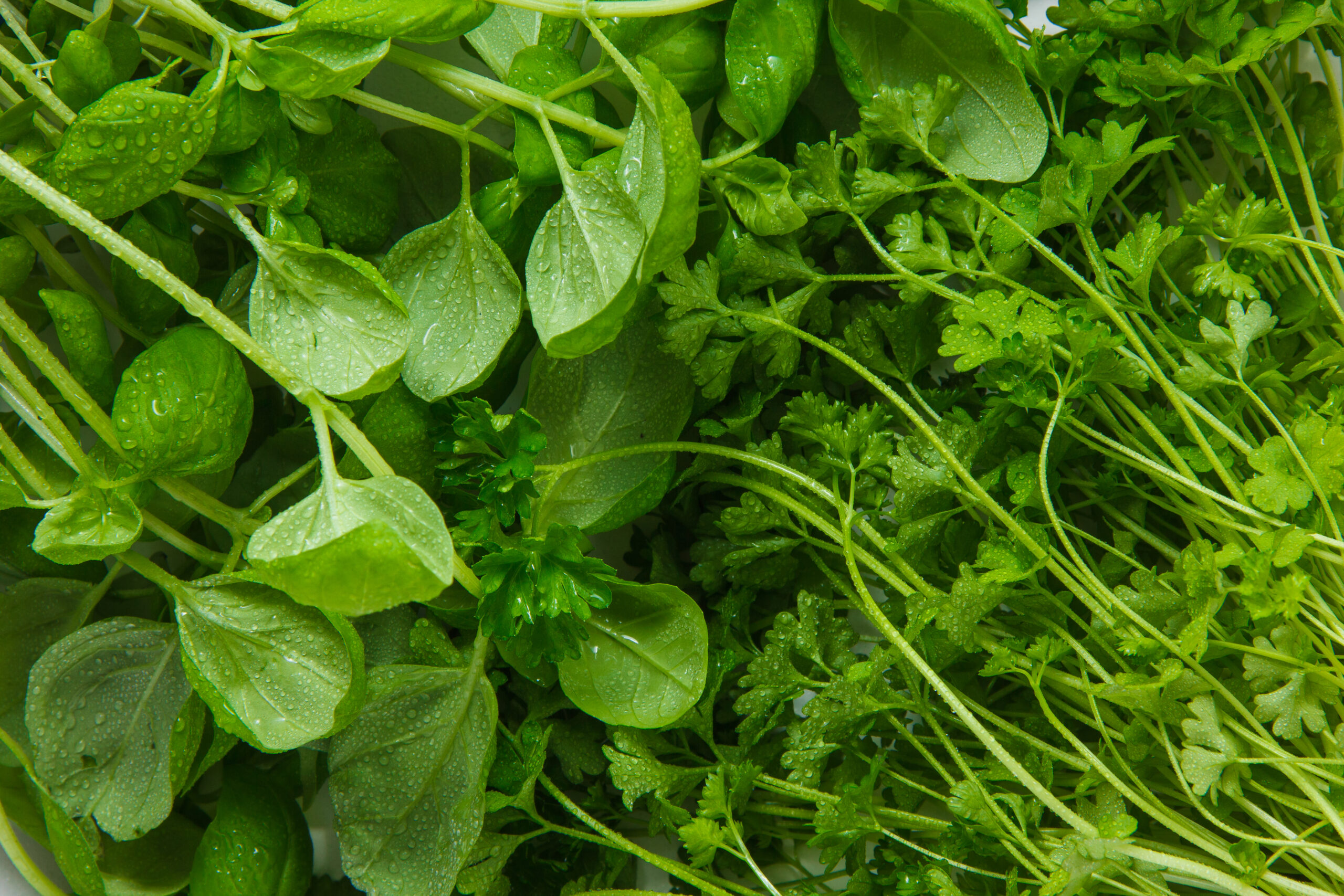
Traditional Fenugreek Leaves Benefits
Fenugreek leaves have long been used as both food and a traditional household ingredient. Their benefits may include:
1. Adds Nutritional Variety
Fresh leafy vegetables contribute valuable nutrients and plant compounds to the diet. Therefore, including fenugreek leaves alongside other vegetables can support a more varied and balanced way of eating.
2. Traditionally Supports Digestion
In traditional food practices, bitter and aromatic herbs often accompany heavier meals. Fenugreek leaves have therefore been included in recipes designed to promote digestive comfort and enjoyable eating.
From an Ayurvedic perspective, food choices often aim to support Agni, or digestive capacity. However, Ayurveda considers digestion highly individual, so the quantity and preparation method matter.
3. Its Bitter Taste Brings Balance
Modern diets can sometimes contain excessive sweet, salty, and processed foods. In contrast, fenugreek leaves introduce a pleasantly bitter flavour that can diversify the palate.
Ayurvedic food traditions encourage the inclusion of different tastes in appropriate amounts. Consequently, methi can be a useful culinary ingredient for people who want to explore a wider range of traditional flavours.
4. A Versatile Everyday Kitchen Herb
One of the greatest fenugreek leaves benefits is their versatility. You can cook fresh methi with potatoes, lentils, peas, or other vegetables. Meanwhile, dried kasuri methi can enhance soups, curries, and gravies with its characteristic aroma.
Because the leaves have a strong flavour, even a small quantity can transform a simple dish.
Fenugreek Leaves and the Doshas
Ayurveda does not classify foods simply as universally good or bad. Instead, it considers factors such as taste, qualities, quantity, preparation, season, and individual constitution.
The bitter taste of fenugreek leaves may appeal particularly when the diet feels overly heavy or rich. However, people with a tendency toward dryness or sensitivity to strongly bitter foods may prefer moderate portions and suitable preparation.
For example, gently cooking methi with nourishing ingredients and appropriate spices can soften its intense flavour. Therefore, Ayurvedic eating encourages awareness and moderation rather than a one-size-fits-all approach.
How to Use Fenugreek Leaves in Everyday Cooking
You can easily bring this forgotten kitchen herb back into your meals:
- Add fresh methi to vegetable curries.
- Prepare methi paratha with whole grains and spices.
- Stir chopped fenugreek leaves into dal.
- Combine methi with potatoes, peas, or paneer.
- Add dried kasuri methi near the end of cooking for extra aroma.
- Mix small amounts of fresh methi into soups or savoury pancakes.
- Use it alongside other seasonal leafy vegetables for greater dietary variety.
Start with a small quantity if you are unfamiliar with its distinctive bitter flavour. Gradually, you may find that fenugreek leaves become a regular part of your kitchen.
Fresh Methi and Kasuri Methi: What Is the Difference?
Fresh methi and kasuri methi come from the same plant, yet they serve different purposes in the kitchen. Fresh fenugreek leaves have a vibrant green flavour and usually work well as a leafy vegetable in cooked dishes.
Kasuri methi, by comparison, consists of dried fenugreek leaves with a more concentrated aroma. Cooks often crumble the dried leaves before adding them to curries, gravies, and other savoury dishes.
As a result, both forms can earn a place in the kitchen. Fresh methi adds volume and texture to meals, whereas kasuri methi works primarily as an aromatic finishing ingredient.
Why Fenugreek Leaves Deserve a Revival
Fenugreek leaves remind us that traditional kitchens often contained a remarkable variety of herbs and greens. Today, many people recognise methi only as an occasional ingredient. Nevertheless, this humble leaf can add flavour, bitterness, aroma, and nutritional diversity to everyday cooking.
Rediscovering fenugreek leaves benefits does not require complicated recipes or expensive supplements. Instead, it can begin with a simple handful of fresh methi added to a familiar homemade meal.
As we explore the forgotten Ayurvedic kitchen herbs, fenugreek leaves stand out as a wonderful example of how traditional food wisdom can remain relevant in modern kitchens. Simple, flavourful, and deeply connected to Indian culinary traditions, methi deserves more than an occasional appearance on the plate.
Disclaimer
This article is intended for general educational and informational purposes only. It discusses the traditional culinary and Ayurvedic use of fenugreek leaves and does not provide medical advice, diagnosis, or treatment. Ayurvedic concepts are based on traditional systems of knowledge and should not replace professional healthcare. If you are pregnant, breastfeeding, taking medication, managing a medical condition, or have concerns about dietary changes, consult a qualified healthcare professional before making significant changes to your diet.

Hello!!
I’m Dr. Malini Bhat MD (Ayu); an Ayurvedic Doctor and a health blogger. Follow me on social media to get daily health tips which you can easily adapt to a healthy lifestyle.