Mustard seeds in Ayurveda have been valued for generations as a pungent and warming kitchen spice. Known traditionally as Sarshapa, mustard seeds add a distinctive flavour to Indian cooking while also holding an important place in traditional Ayurvedic practices.
Although mustard seeds are now mainly associated with tempering dals, vegetables, pickles, and chutneys, their traditional role goes beyond flavour. Ayurveda considers mustard seeds stimulating, sharp, and warming. Therefore, their use depends on the individual’s constitution, digestive strength, season, and overall diet.
This humble seed deserves a place in the story of forgotten Ayurvedic kitchen herbs.
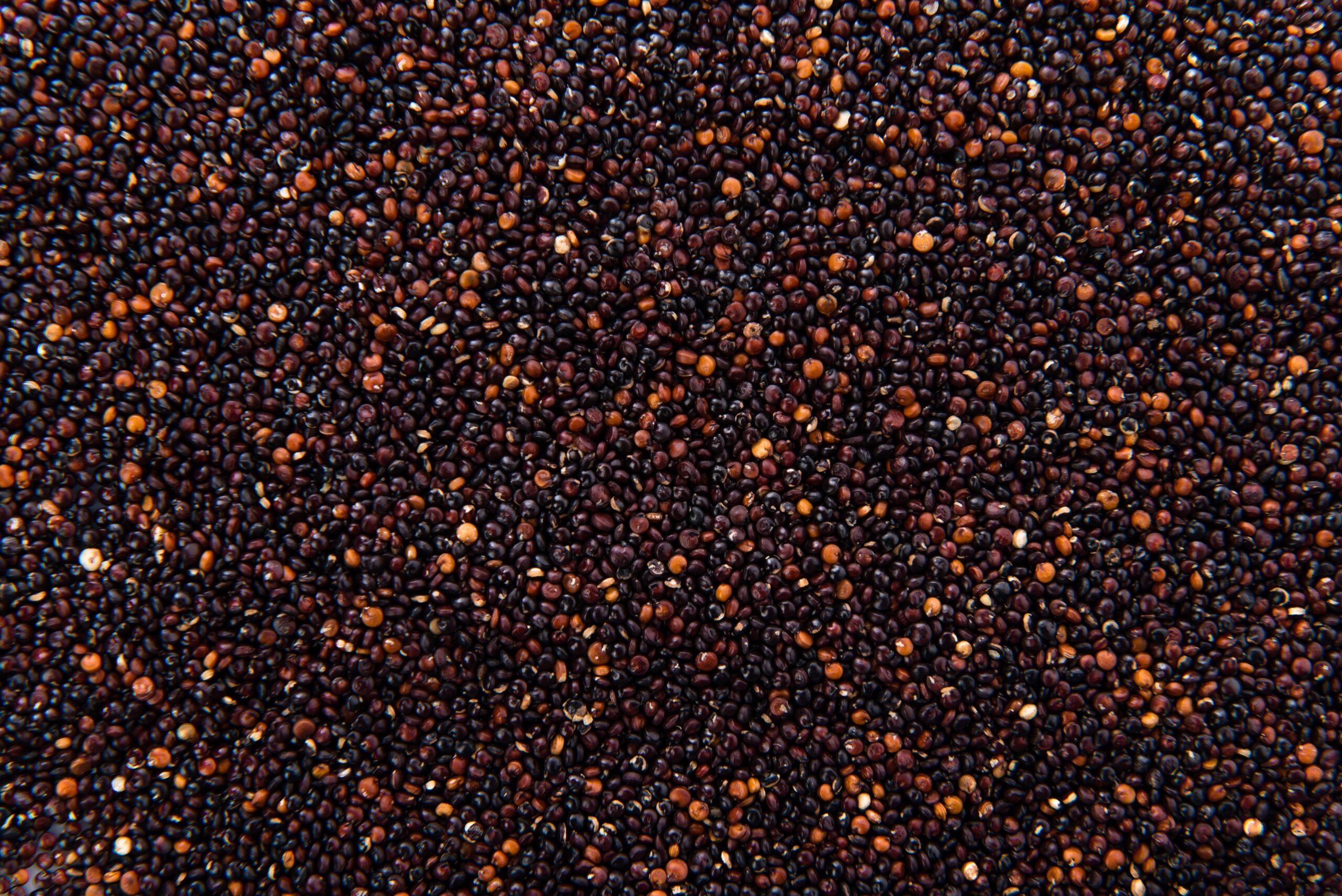
What Are Mustard Seeds?
Mustard seeds come from plants belonging to the Brassica family. Different varieties produce seeds that range from yellow and brown to dark reddish-brown or black.
In Indian kitchens, mustard seeds commonly appear in tadka, where cooks heat them in oil or ghee until they begin to crackle. This simple process releases their aroma and gives dishes a characteristic depth of flavour.
Ayurvedic traditions have also used mustard seeds and mustard oil in various external and culinary preparations.
Mustard Seeds in Ayurveda
Traditional Ayurveda describes mustard seeds as pungent, sharp, heating, and stimulating. These qualities help explain why cooks generally use them in small quantities.
Traditionally, mustard seeds have been associated with supporting:
- Healthy digestion
- Appetite
- Comfortable circulation
- Kapha balance
- A sense of warmth
- Healthy metabolic activity
These are traditional Ayurvedic perspectives rather than established medical claims.
Mustard Seeds and the Doshas
The strong qualities of mustard seeds make their effect different from milder spices such as coriander or fennel.
Mustard Seeds for Kapha
Mustard seeds can be particularly suitable for Kapha-oriented cooking because Ayurveda traditionally views them as warming and stimulating.
Kapha tends toward qualities such as heaviness, coolness, and sluggishness. Therefore, pungent spices may complement meals designed to provide warmth and stimulation.
Mustard seeds work especially well with other warming ingredients such as ginger, black pepper, and cumin.
Mustard Seeds for Vata
Vata may also benefit from mustard seeds when used appropriately. Their warmth and pungency can complement warm, cooked meals.
However, excessive pungency may feel too intense for some Vata individuals. Therefore, moderation matters.
Mustard Seeds for Pitta
Pitta requires greater care with mustard seeds. Ayurveda traditionally associates Pitta with heat and sharpness, while mustard seeds possess similarly heating and pungent qualities.
Consequently, people following a Pitta-balancing approach may prefer smaller quantities or milder spices.
Mustard Seeds and Digestion
Traditional Ayurvedic cooking uses spices to make meals more aromatic and enjoyable. Mustard seeds contribute a strong pungent flavour and often appear in dishes containing legumes and vegetables.
For example, a small amount of mustard seed in a tadka can transform a simple dal or vegetable dish.
Furthermore, combining mustard seeds with cumin, curry leaves, turmeric, or asafoetida creates a flavorful tempering that forms an important part of many Indian culinary traditions.
Mustard Seeds in Traditional Tadka
One of the simplest ways to enjoy mustard seeds is through tadka.
Heat a small amount of cooking oil or ghee. Add mustard seeds and allow them to crackle. Then add other ingredients such as curry leaves, cumin, dried chilli, or asafoetida according to the recipe.
Finally, pour the tempering over dal, vegetables, rice, or other suitable dishes.
This technique does more than add flavour. It also demonstrates an important Ayurvedic principle: spices can become part of everyday food rather than something reserved for herbal preparations.
Mustard Seeds in Pickles
Mustard seeds also play an important role in traditional Indian pickling.
Their pungent flavour pairs well with vegetables, oil, salt, and other spices. Different regional cuisines use mustard in distinctive ways, creating a wide variety of pickle traditions.
However, pickles can contain considerable amounts of salt and oil. Therefore, portion size remains important.
Mustard Oil in Traditional Practices
Mustard oil has a long history in South Asian culinary and traditional practices.
In some Ayurvedic traditions, mustard oil has also been used externally in massage and other applications. However, concentrated or therapeutic use requires more care than ordinary culinary use.
People with sensitive skin should avoid assuming that every traditional external preparation will suit them. A qualified practitioner can provide appropriate guidance.
How to Use Mustard Seeds in Your Kitchen
Mustard seeds are easy to incorporate into everyday meals.
Try them in:
- Dal
- Vegetable curries
- Sambar
- Chutneys
- Pickles
- Rice dishes
- Stir-fried vegetables
- Traditional spice blends
Start with a small quantity because mustard seeds have a strong flavour.
Additionally, tempering them in oil or ghee before adding them to a dish helps release their characteristic aroma.
Mustard Seeds and Seasonal Cooking
Ayurveda traditionally recommends adjusting food according to the season.
Because mustard seeds possess warming and pungent qualities, they may naturally fit better into cooler-weather meals. During hot weather, however, excessive use of strongly heating spices may not suit everyone.
Therefore, seasonal balance matters just as much as the choice of individual spice.
Why Mustard Seeds Deserve a Place in the Forgotten Herbs Series
Mustard seeds may not immediately appear when people think about Ayurvedic herbs. Yet they demonstrate how closely traditional Indian food and Ayurveda have always been connected.
A small handful of seeds can provide aroma and pungency to an entire dish. At the same time, traditional Ayurvedic principles help explain why cooks choose certain spices according to season, constitution, and digestive needs.
In this way, mustard seeds represent the practical wisdom of the Ayurvedic kitchen.
A Simple Ayurvedic Kitchen Tip
For everyday cooking, use mustard seeds primarily as a culinary spice rather than treating them as a concentrated remedy.
A simple mustard-seed tadka can bring warmth and flavour to dal, vegetables, or other cooked foods. Pairing mustard with milder spices can also create a more balanced flavour profile.
Most importantly, remember that stronger does not always mean better. Ayurveda traditionally emphasizes appropriate quantity and individual suitability.
Safety and Precautions
Mustard seeds are generally used as a culinary spice, but concentrated preparations may not suit everyone.
People with mustard allergies should avoid mustard and products containing it. Those with sensitive digestion may also find excessive amounts of pungent spices uncomfortable.
If you are pregnant or breastfeeding, take regular medication, or plan to use mustard therapeutically, consult a qualified healthcare professional before doing so.
The Forgotten Wisdom of Mustard Seeds
Mustard seeds may be tiny, but their role in traditional Indian cooking is anything but small.
Mustard seeds in Ayurveda illustrate how everyday spices can carry traditional knowledge about taste, qualities, digestion, season, and dosha balance.
Today, we often reach for mustard seeds simply because they make a dish taste better. However, their deeper culinary history reminds us that traditional kitchens were also places where food, herbs, and wellness practices came together.
Sometimes, Ayurvedic wisdom has been sitting quietly in the spice box all along.
Ayurvedic Disclaimer
This article describes the traditional Ayurvedic understanding and culinary use of mustard seeds for educational purposes. It does not provide medical advice and should not replace diagnosis or treatment from a qualified healthcare professional. Traditional Ayurvedic properties do not necessarily represent scientifically established medical effects. Consult an appropriate healthcare professional before using mustard seeds or mustard oil therapeutically, especially if you have allergies, a medical condition, or take medication.

Hello!!
I’m Dr. Malini Bhat MD (Ayu); an Ayurvedic Doctor and a health blogger. Follow me on social media to get daily health tips which you can easily adapt to a healthy lifestyle.