
The 27th chapter of Madhava Nidana deals with Udavartadi Nidanam which is Reverse Peristalsis and the like. When the wave-like muscle contractions of peristalsis move backward instead of forward, it’s called retroperistalsis, antiperistalsis or reverse peristalsis. This is what happens when your vomiting reflex is triggered.
Chapter 28 — Gulma Nidana
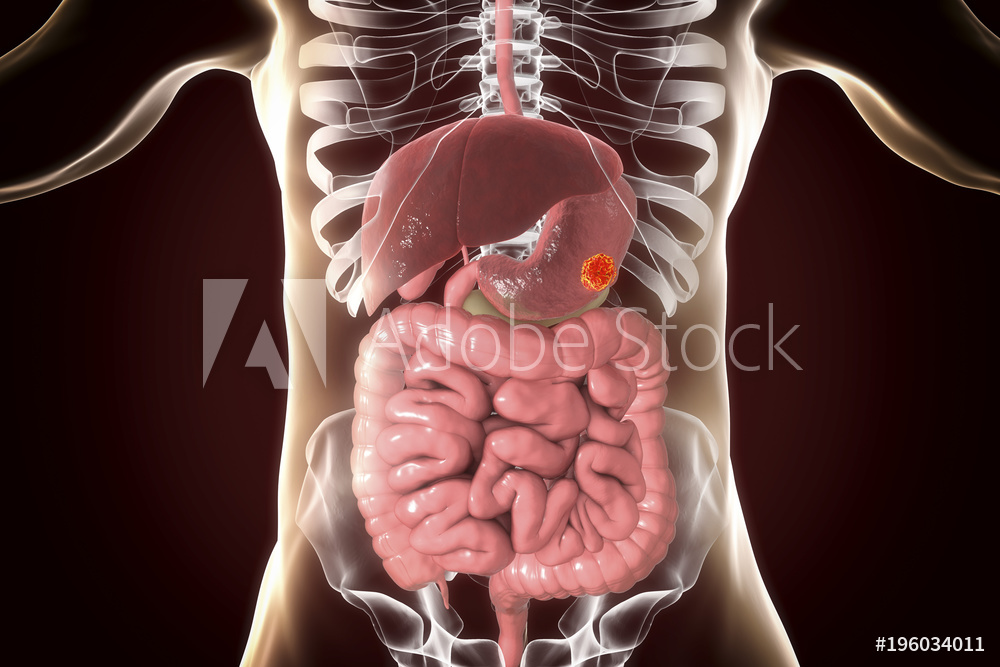
The 28th Chapter of Madhava Nidana is Gulma nidana which deals with Abdominal Tumors. An abdominal mass is an abnormal growth in the abdomen. An abdominal mass causes visible swelling and may change the shape of the abdomen. A person with an abdominal mass may notice weight gain and symptoms such as abdominal discomfort, pain, and bloating.
Chapter 26 – Shula, Parinama Shula, Annadrava shula
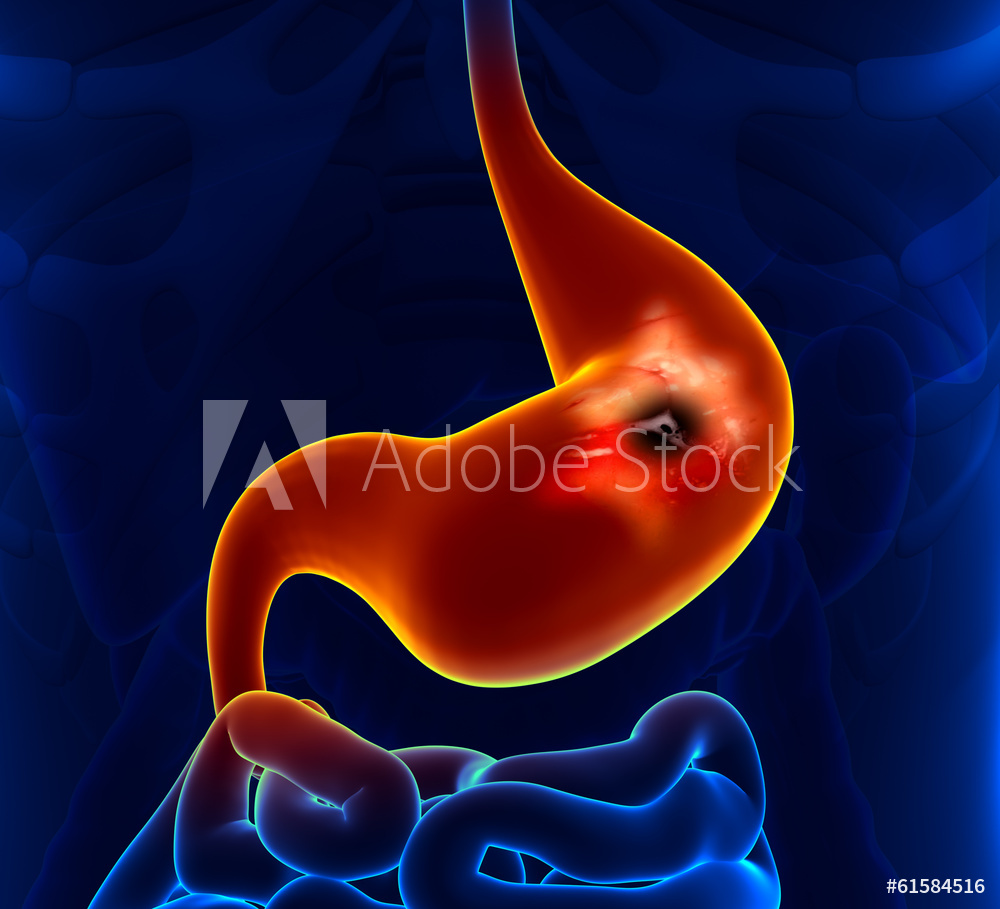
The 26th chapter of Madhava Nidana deals with Shula, Parinama Shula, Annadrava shula which is Colic and Peptic ulcers. Peptic ulcers are open sores that develop on the inside lining of your stomach and the upper portion of your small intestine. The most common symptom of a peptic ulcer is stomach pain.
Chapter 25 — Amavata Nidana
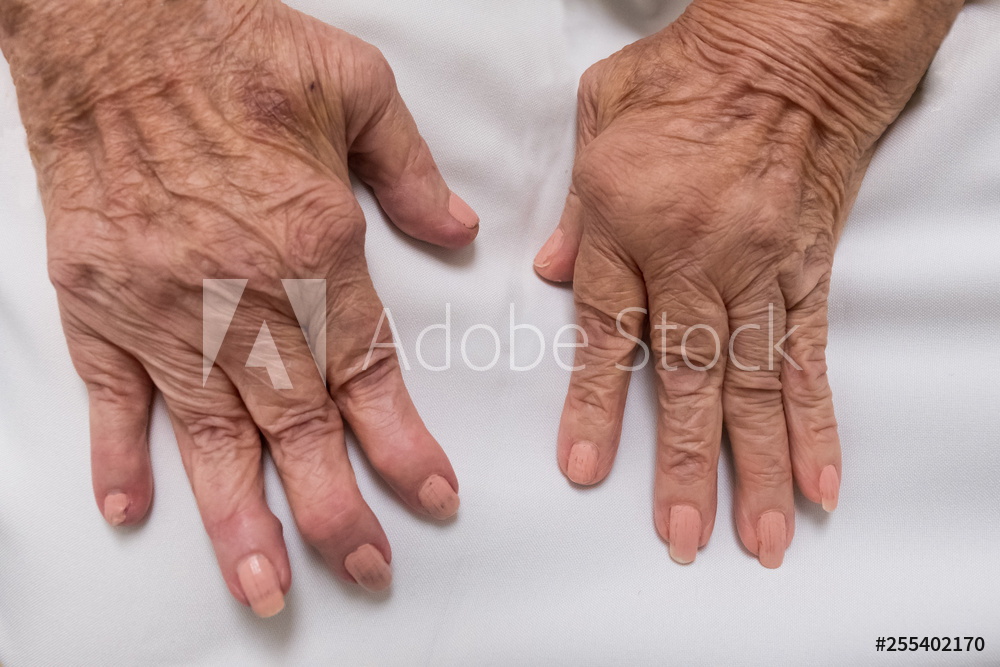
The 25th chapter of Madhava Nidana deals with Amavata Nidana which is the diagnosis of Rheumatism. Rheumatoid arthritis is a chronic inflammatory disorder that can affect more than just your joints. An autoimmune disorder, rheumatoid arthritis occurs when your immune system mistakenly attacks your own body’s tissues.
Chapter 24 — Urustambha Nidanam
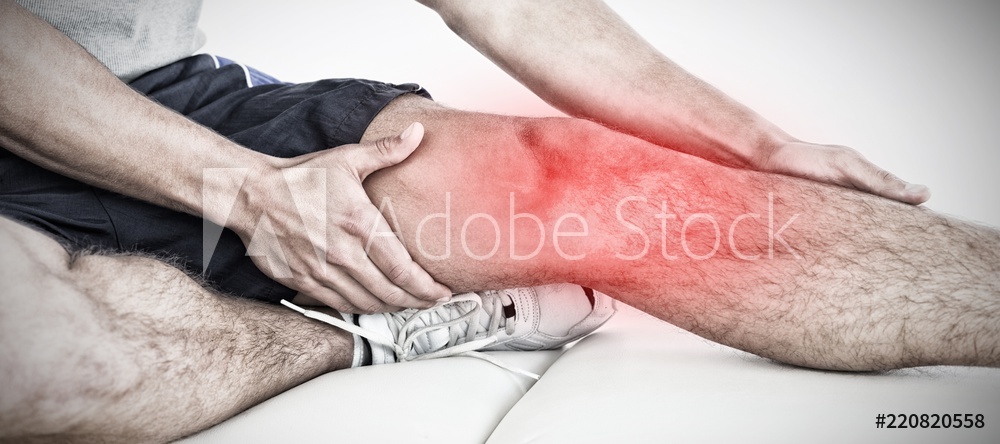
The 24th chapter of Madhava Nidana deals with Urustambha i.e., Stiffness of the leg. The most common cause of muscle stiffness is a sprain or strain, which can affect both the muscles and ligaments. A strain is when the muscle fibers are stretched or torn. Strains are particularly common in the legs and lower back. A sprain is when the ligaments have been stretched, twisted, or torn.
Chapter 23 — Vata Rakta Nidana
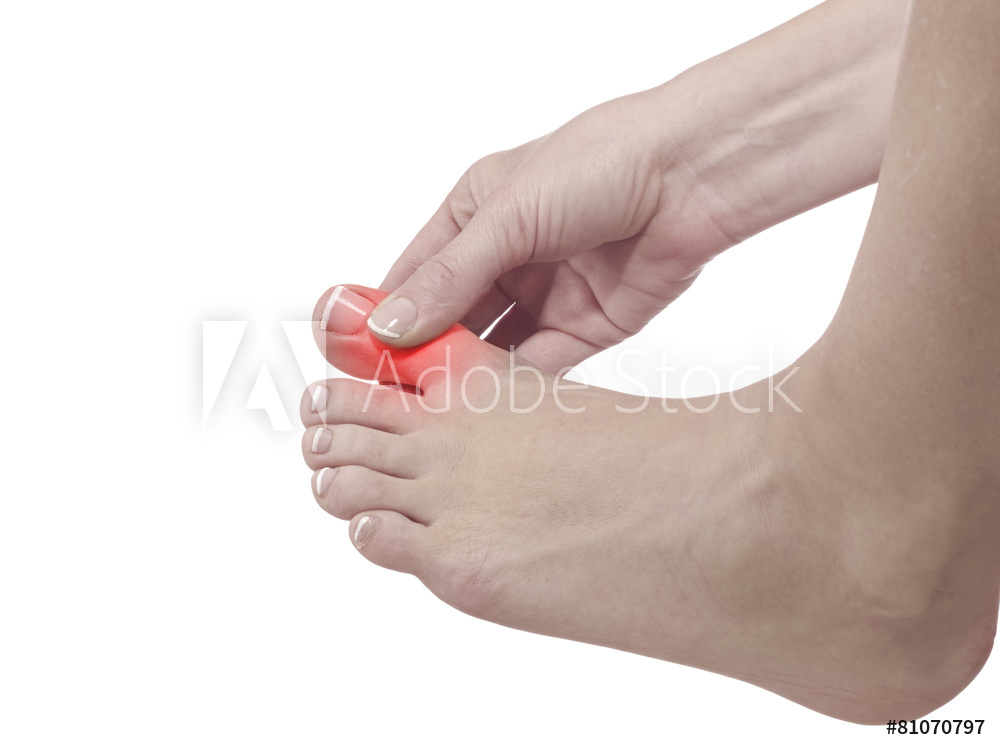
The 23rd chapter of Madhava Nidana deals with Vata rakta nidana that is Gout. Gout is a common and complex form of arthritis that can affect anyone. It’s characterized by sudden, severe attacks of pain, swelling, redness and tenderness in one or more joints, most often in the big toe.