Forgotten Herbs of Ayurveda – Part 1
Shankhapushpi benefits in Ayurveda have attracted growing interest among readers seeking traditional approaches to mental wellness and herbal health. Among the many herbs described in Ayurveda, few carry as strong an association with the mind as Shankhapushpi.
For centuries, Ayurvedic practitioners and traditional healers have valued this delicate flowering herb for its role in supporting mental clarity, learning, and overall well-being. Today, growing interest in traditional wellness practices has once again brought Shankhapushpi into the spotlight.
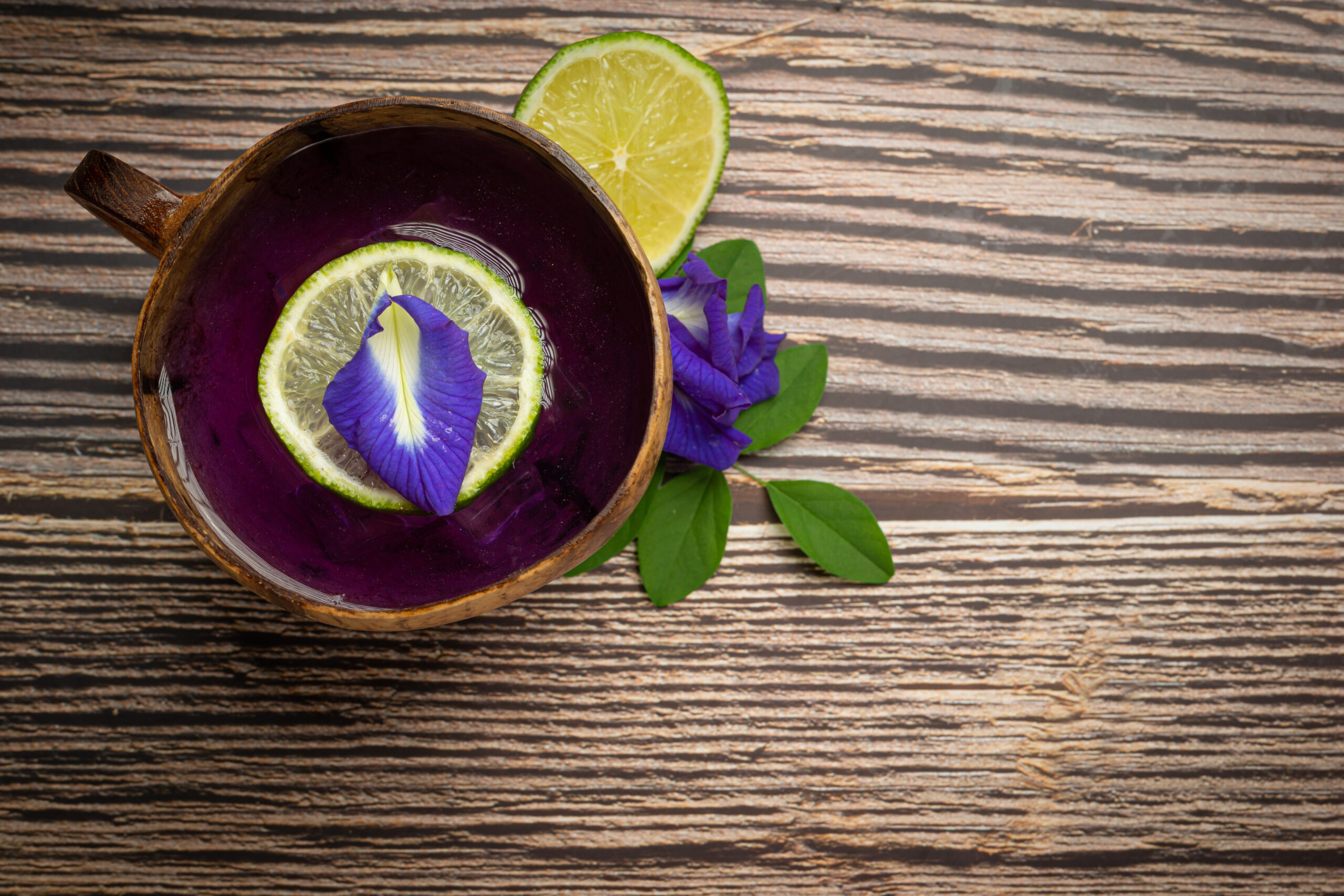
What is Shankhapushpi?
Botanically, scholars commonly identify Shankhapushpi as Convolvulus pluricaulis Choisy, a small perennial herb that belongs to the family Convolvulaceae. Furthermore, the plant produces slender stems and small bluish or white flowers that resemble a conch shell. As a result, it derives its Sanskrit name from two words:
- Shankha – conch shell
- Pushpi – flower
The herb grows naturally in many parts of India, particularly in open grasslands and dry regions.
Common Names
- Sanskrit: Shankhapushpi, Mangalyakusuma
- Hindi: Shankhpushpi
- English: Aloe Weed or Shankhapushpi
- Botanical Name: Convolvulus pluricaulis Choisy
- Family: Convolvulaceae
Ayurvedic Perspective
Traditionally, Ayurvedic practitioners regard Shankhapushpi as a herb that supports mental and emotional balance.
Ayurvedic Properties
- Rasa (Taste): Tikta (bitter), Kashaya (astringent)
- Guna (Qualities): Snigdha (unctuous), Pichchhila (slimy)
- Virya (Potency): Sheeta (cooling)
- Vipaka (Post-digestive effect): Madhura (sweet)
- Dosha Action: Traditionally considered beneficial in balancing Pitta and Vata.
Its cooling and soothing nature has made it a valued herb in Ayurvedic formulations intended to support mental calmness and clarity.
Classical References
Ancient Ayurvedic texts and traditional materia medica describe Shankhapushpi as a herb of considerable importance. It is mentioned in various Nighantus (Ayurvedic lexicons) and later Ayurvedic literature, where it is traditionally associated with intellect, memory, and emotional well-being.
Over generations, Ayurvedic practitioners have included Shankhapushpi in formulations intended to support cognitive functions and promote a calm and balanced state of mind.
Traditional Uses in Ayurveda
Traditionally, Shankhapushpi has been used in Ayurveda for:
- Supporting memory and concentration.
- Promoting mental calmness and emotional balance.
- Supporting healthy sleep patterns.
- Maintaining general nervous system wellness.
- Supporting learning and cognitive performance.
Various traditional preparations of the herb include:
- Shankhapushpi Churna (powder)
- Shankhapushpi Syrup
- Herbal decoctions
- Medicated ghee preparations
These preparations have been used in traditional Ayurvedic practice according to individual needs and under professional guidance.
Phytochemistry and Modern Research
Modern scientific investigations have identified several bioactive compounds in Shankhapushpi, including:
- Alkaloids
- Flavonoids
- Coumarins
- Glycosides
Researchers have shown increasing interest in understanding the herb’s potential effects on cognitive function and neurological health. Preliminary studies have explored its antioxidant and neuroprotective properties, though further high-quality clinical research is needed to better understand its applications and mechanisms.
The growing scientific interest in Shankhapushpi highlights the importance of investigating traditional medicinal plants through modern research methods.
Cultural Significance
Indian knowledge traditions have long regarded mental wellness as an essential component of overall health. Herbs such as Shankhapushpi represent this holistic approach, where maintaining balance of the mind and body is considered fundamental to well-being.
Even today, the herb continues to be included in various traditional formulations and remains a familiar name in Ayurvedic households and herbal pharmacies.
Safety and Precautions
Like many medicinal plants, people should use Shankhapushpi thoughtfully and in appropriate amounts.. Individuals who are pregnant, nursing, taking medications, or managing existing health conditions should consult a qualified healthcare professional before using herbal preparations.
People should not use herbal remedies as substitutes for professional medical care, particularly when managing serious health conditions.
Conclusion
Although Shankhapushpi may not enjoy the global popularity of herbs such as turmeric or ashwagandha, its place in Ayurvedic tradition remains both rich and enduring. Moreover, generations of Ayurvedic practitioners have associated this herb with mental clarity and balance. Consequently, Shankhapushpi serves as a reminder of the depth and diversity of India’s botanical heritage.
Today, interest in traditional knowledge and plant-based wellness continues to grow. As a result, rediscovering herbs like Shankhapushpi offers an opportunity to appreciate the wisdom preserved within Ayurveda. Furthermore, this renewed interest highlights how ancient botanical traditions continue to inspire modern approaches to well-being. Ultimately,Shankhapushpi demonstrates the enduring relevance of India’s rich herbal heritage.

Hello!!
I’m Dr. Malini Bhat MD (Ayu); an Ayurvedic Doctor and a health blogger. Follow me on social media to get daily health tips which you can easily adapt to a healthy lifestyle.