Kapittha fruit benefits deserve more attention in modern wellness discussions. Known botanically as Limonia acidissima, Kapittha is commonly called wood apple. This distinctive fruit has a hard outer shell and aromatic, tangy pulp. Although many people now overlook it, Ayurveda has traditionally valued Kapittha for its unique qualities and its role in supporting overall balance.
Moreover, Ayurveda considers the qualities, taste, and stage of ripeness of a food before describing its traditional uses. Therefore, ripe and unripe Kapittha may serve different purposes in Ayurvedic dietary practices.
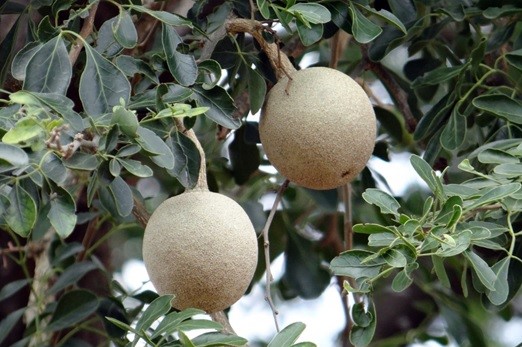
What Is Kapittha?
Kapittha is a tropical fruit with a rough, woody shell and soft pulp inside. The pulp has a sweet, sour, and slightly astringent taste. As a result, people may enjoy it fresh or use it in traditional preparations such as drinks, chutneys, and preserves.
The fruit grows in parts of India and other South Asian regions. However, despite its long history, Kapittha remains less familiar than many other traditional fruits.
Kapittha Fruit Benefits According to Ayurveda
In Ayurveda, Kapittha fruit benefits relate primarily to its traditional qualities and its potential role in supporting digestion and balance.
1. Traditionally Supports Digestion
Ayurveda traditionally includes Kapittha in dietary preparations intended to support healthy digestion. Its astringent and sour qualities give the fruit a distinctive place in traditional food practices.
Furthermore, the way Kapittha affects digestion may depend on whether the fruit is ripe or unripe. Ayurvedic dietary principles often consider the condition and preparation of a food before recommending its use.
2. Traditionally Associated With Respiratory Comfort
Traditional Ayurvedic practices have also used Kapittha in preparations intended to support respiratory comfort. Because of this historical use, the fruit appears in various regional remedies and food traditions.
However, traditional use does not mean that every preparation suits every individual. Therefore, preparation and personal constitution remain important considerations.
3. May Help Balance Kapha and Pitta in Traditional Practice
Ayurveda evaluates foods according to their rasa, guna, virya, and post-digestive effects. Kapittha’s sour and astringent characteristics give it a distinct role in this traditional framework.
Depending on its ripeness and preparation, Ayurvedic practitioners may consider Kapittha when planning foods for particular doshic patterns. However, individual responses can vary, especially when digestive sensitivity or excess acidity is present.
4. A Source of Traditional Nutritional Variety
One of the overlooked Kapittha fruit benefits lies in its ability to add diversity to the diet. Traditional food cultures often included a wide variety of seasonal fruits, herbs, roots, and vegetables.
Today, rediscovering fruits such as Kapittha can encourage people to explore regional and seasonal foods. Consequently, these forgotten ingredients can reconnect modern diets with traditional culinary knowledge.
The Ayurvedic View of Ripe and Unripe Kapittha
Ayurveda often distinguishes between ripe and unripe fruits because ripeness can change their taste, qualities, and digestive effects.
Unripe Kapittha
Traditional practices may use unripe Kapittha differently because of its stronger astringent qualities. Therefore, Ayurvedic practitioners traditionally consider both the fruit’s stage of maturity and the individual’s digestive condition.
Ripe Kapittha
Ripe Kapittha develops softer pulp and a more pleasant flavour. People often consume the ripe fruit directly or add its pulp to traditional beverages and culinary preparations.
Thus, Ayurveda encourages attention not only to what we eat but also to when and how we eat it.
How Can You Include Kapittha in Your Diet?
You can enjoy ripe Kapittha in several simple ways:
- Eat the ripe pulp in moderation.
- Mix the pulp with water to prepare a traditional drink.
- Add it to chutneys or regional recipes.
- Combine it with other suitable ingredients according to your taste and digestive comfort.
However, start with a small quantity if you have never eaten Kapittha before. Its distinctive sour and astringent taste may not suit everyone.
Kapittha and the Importance of Forgotten Ayurvedic Foods
The story of Kapittha highlights an important part of Ayurvedic food wisdom. Ayurveda does not focus only on famous herbs and popular superfoods. Instead, it also values seasonal, local, and traditionally used foods.
Therefore, rediscovering Kapittha can help us appreciate the diversity of India’s traditional food heritage. Along with well-known fruits and herbs, lesser-known foods may also hold an important place in regional diets and Ayurvedic traditions.
Precautions When Consuming Kapittha
Although Kapittha fruit benefits make this traditional fruit interesting, moderation remains important. People with specific digestive concerns or dietary restrictions should consider their individual tolerance.
Additionally, if you are pregnant, breastfeeding, taking regular medication, or managing a medical condition, consult a qualified healthcare professional before using Kapittha or any traditional ingredient as a therapeutic preparation.
Final Thoughts
Kapittha is more than just an unusual fruit with a hard shell. It represents a part of India’s traditional food heritage that modern diets have gradually forgotten. Its tangy, aromatic pulp and long history in Ayurvedic and regional food traditions make it worth rediscovering.
Ultimately, the traditional Kapittha fruit benefits remind us that wellness does not always require exotic or newly discovered ingredients. Sometimes, valuable food traditions already exist within our own cultural heritage, waiting to be explored again.
Note: This article discusses traditional Ayurvedic and dietary uses of Kapittha. It does not replace medical advice, diagnosis, or treatment.

Hello!!
I’m Dr. Malini Bhat MD (Ayu); an Ayurvedic Doctor and a health blogger. Follow me on social media to get daily health tips which you can easily adapt to a healthy lifestyle.