Curry leaves hold a special place in traditional Indian kitchens, yet many people know them only as a tempering ingredient. However, curry leaves benefits in Ayurveda extend beyond their distinctive aroma and flavour. Ayurveda has traditionally valued these fragrant leaves as part of a wholesome diet and as an ingredient in various herbal preparations.
Known botanically as Murraya koenigii, curry leaves grow on a small tropical tree native to the Indian subcontinent. Unlike curry powder, which contains a blend of spices, fresh curry leaves come directly from the curry leaf tree. Therefore, they bring their own unique aroma, taste, and traditional significance to Indian cooking.
Although modern lifestyles often encourage the use of packaged ingredients, simple kitchen herbs such as curry leaves remind us of the value of traditional food wisdom. Moreover, adding fresh herbs to everyday meals can make food more flavourful while supporting a varied and balanced diet.
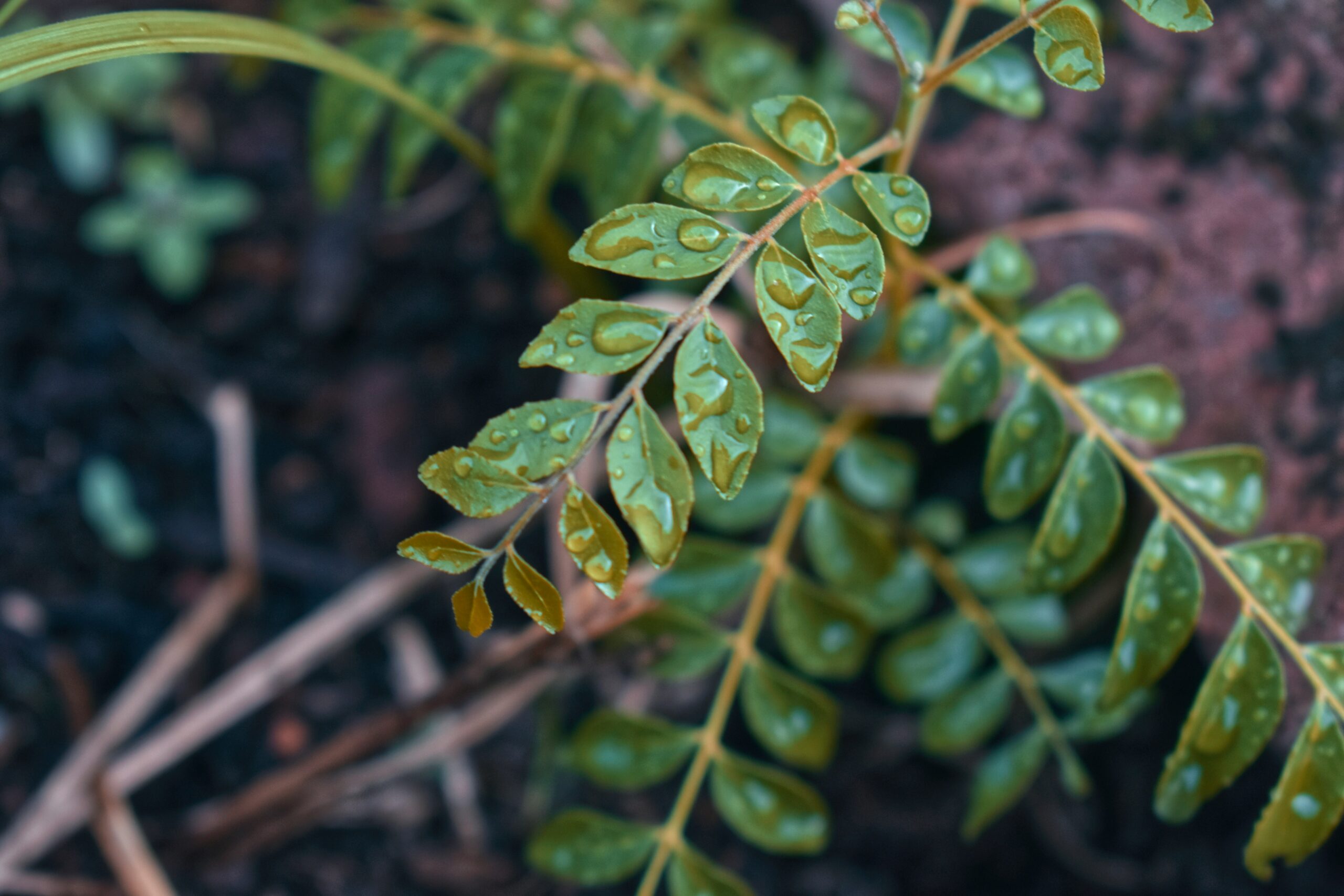
Curry Leaves Benefits in Ayurveda
In Ayurveda, food and herbs often work together as part of daily wellness practices. Curry leaves benefits in Ayurvedaare traditionally associated with digestive support, nourishment, and maintaining balance within the body.
Ayurvedic traditions generally consider the qualities and effects of a herb alongside an individual’s constitution, digestive strength, lifestyle, and overall dietary pattern. Therefore, curry leaves do not function as a universal remedy for every person or every health concern.
Traditionally, people have included curry leaves in foods and preparations intended to support comfortable digestion. Their aromatic nature also makes them a useful addition to meals that contain heavier ingredients.
Curry Leaves and Agni
Ayurveda places great importance on Agni, the principle associated with digestion and transformation. When Agni functions well, the body can process food more efficiently according to Ayurvedic understanding.
Curry leaves have traditionally appeared in everyday dishes that support enjoyable and flavourful eating. For example, cooks often add them to dals, vegetable preparations, rasam, sambar, chutneys, and other warm meals.
Furthermore, their strong aroma can enhance the sensory experience of food. Ayurveda recognises that mindful eating involves more than simply consuming nutrients. Taste, aroma, freshness, and the overall quality of a meal also influence the eating experience.
The Traditional Nutritional Value of Curry Leaves
Fresh curry leaves contain a variety of naturally occurring plant compounds and contribute small amounts of nutrients to the diet. In addition, their deep green colour reflects the presence of plant pigments found in leafy foods.
However, people usually consume curry leaves in relatively small quantities when using them for tempering. Therefore, a varied diet containing vegetables, fruits, legumes, whole grains, nuts, seeds, and other nourishing foods remains important.
Instead of viewing one herb as a miracle ingredient, Ayurveda traditionally encourages a broader approach. Consequently, regular food habits, digestion, sleep, movement, and seasonal routines all contribute to overall wellbeing.
Curry Leaves for Everyday Digestion
One of the traditional curry leaves benefits in Ayurveda relates to their role in the kitchen. Indian households have long added these leaves to meals containing lentils, vegetables, spices, and healthy fats.
For example, tempering curry leaves in a small amount of oil or ghee releases their characteristic fragrance. Then, the leaves can flavour the entire dish without requiring complicated preparation.
Additionally, combining herbs and spices with freshly prepared meals can encourage greater variety in everyday cooking. This approach aligns with the Ayurvedic preference for fresh, wholesome, and appropriately prepared foods.
Curry Leaves and Dosha Balance
Ayurveda views each individual through the unique relationship between Vata, Pitta, and Kapha. Therefore, the same food may suit different people in different ways.
Curry leaves can form part of a balanced meal when cooks consider the complete preparation rather than focusing on one ingredient alone. For instance, the choice of oil, spices, vegetables, and cooking method can influence the overall qualities of a dish.
Moreover, Ayurveda generally encourages people to observe how foods affect their appetite, digestion, comfort, and overall sense of balance. A qualified Ayurvedic practitioner can provide more individualised guidance when needed.
How to Use Curry Leaves in Your Daily Diet
Fortunately, fresh curry leaves are easy to include in traditional Indian cooking.
1. Add Them to Tempering
Heat a suitable cooking oil or ghee, then add mustard seeds, cumin, or other preferred spices. Next, add fresh curry leaves and allow their aroma to develop before mixing the tempering into dal, vegetables, or rice.
2. Use Them in Chutneys
Fresh curry leaves can add an aromatic, slightly earthy flavour to homemade chutneys. Moreover, combining them with coconut, herbs, or roasted ingredients can create a flavourful accompaniment to meals.
3. Add Them to Soups and Lentil Dishes
Curry leaves work particularly well in rasam, sambar, dals, and vegetable soups. Consequently, they offer an easy way to bring traditional herbal ingredients into everyday meals.
4. Include Them in Vegetable Preparations
You can add fresh curry leaves to stir-fried vegetables, potato dishes, beans, and other seasonal produce. Their aroma can make even simple meals more interesting.
Fresh Curry Leaves Versus Dried Curry Leaves
Fresh curry leaves usually provide the strongest aroma and flavour. Therefore, whenever available, fresh leaves can offer a more vibrant addition to cooking.
Dried curry leaves can still serve as a convenient alternative. However, their fragrance may differ from that of freshly picked leaves. For this reason, many traditional recipes prefer fresh curry leaves when possible.
A Forgotten Herb Worth Bringing Back to the Kitchen
Modern kitchens often rely on convenience, yet traditional herbs can add depth to everyday meals. Curry leaves deserve more attention because they offer flavour, cultural significance, and a long history of use in Indian food traditions.
Most importantly, curry leaves benefits in Ayurveda should be understood within the wider context of a balanced lifestyle. No single herb can replace nutritious food, regular movement, adequate rest, or appropriate medical care.
Nevertheless, adding fresh curry leaves to daily cooking can become a simple and enjoyable way to reconnect with traditional kitchen wisdom. So, the next time you prepare a tempering, dal, chutney, or vegetable dish, consider giving this often-overlooked Ayurvedic kitchen herb a place of honour.
Frequently Asked Questions About Curry Leaves
What are the traditional curry leaves benefits in Ayurveda?
Ayurvedic traditions have included curry leaves in foods and preparations associated with digestive comfort, nourishment, and balanced daily eating. However, their effects may vary according to the individual, diet, and overall lifestyle.
Can I eat curry leaves every day?
Many people include curry leaves regularly as part of normal cooking. However, the amount and frequency should suit your individual dietary needs and overall health.
Are curry leaves the same as curry powder?
No. Curry leaves come from the Murraya koenigii tree, whereas curry powder usually contains a blend of different spices. Therefore, the two ingredients differ in flavour, origin, and composition.
What is the best way to use fresh curry leaves?
You can add fresh curry leaves to tempering, dals, rasam, sambar, chutneys, soups, and vegetable dishes. For the best aroma, add them during cooking rather than leaving them unused as a garnish.
Disclaimer
This article is intended for general educational and informational purposes only. It discusses traditional Ayurvedic perspectives and is not a substitute for professional medical advice, diagnosis, or treatment. Curry leaves are not intended to cure, treat, or prevent any disease. If you are pregnant, breastfeeding, taking medication, managing a health condition, or considering the therapeutic use of herbs, please consult a qualified healthcare professional or registered Ayurvedic practitioner before making significant changes to your diet or wellness routine.

Hello!!
I’m Dr. Malini Bhat MD (Ayu); an Ayurvedic Doctor and a health blogger. Follow me on social media to get daily health tips which you can easily adapt to a healthy lifestyle.