Bibhitaki benefits in Ayurveda have attracted attention for centuries. Known botanically as Terminalia bellirica, Bibhitaki comes from a fruit that holds an important place in traditional Ayurvedic wellness. It also forms one of the three fruits in the famous Ayurvedic preparation Triphala.
Although modern diets often focus on familiar fruits, Ayurveda recognizes many lesser-known fruits for their traditional wellness properties. Bibhitaki offers an interesting example. Ayurvedic practitioners have traditionally used this fruit to support digestion, respiratory wellness, healthy elimination, and overall balance. Therefore, exploring Bibhitaki gives us a fascinating look at the forgotten fruits of Ayurveda.
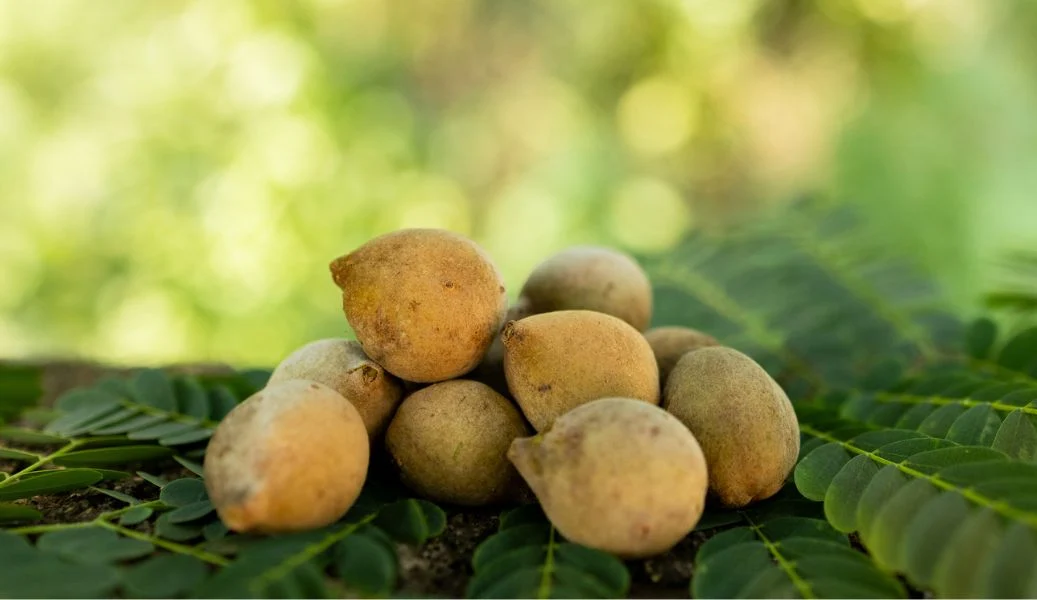
What Is Bibhitaki?
Bibhitaki, also called Bibhitaka, is the fruit of the Terminalia bellirica tree. The tree grows widely across parts of the Indian subcontinent and has been used in traditional Ayurvedic practices for generations.
The dried fruit has a hard outer covering and a distinctive appearance. Traditionally, Ayurvedic practitioners process the fruit and use it in powders, decoctions, and herbal formulations.
Interestingly, Bibhitaki is one of the three fruits used in Triphala, alongside Amalaki and Haritaki. Together, these three fruits form one of Ayurveda’s best-known traditional combinations.
Bibhitaki Benefits in Ayurveda
The traditional Bibhitaki benefits in Ayurveda are associated mainly with digestion, elimination, respiratory wellness, and balancing certain doshic tendencies.
1. Supports Digestive Health
Bibhitaki has traditionally been used to support healthy digestion and bowel function. Ayurveda considers proper digestion essential for maintaining overall wellbeing because balanced Agni, or digestive fire, plays a central role in Ayurvedic health.
Furthermore, Bibhitaki is traditionally regarded as supportive of healthy elimination. As a result, it commonly appears in Ayurvedic formulations designed to maintain digestive balance.
2. Traditionally Used for Respiratory Wellness
Another important traditional use of Bibhitaki involves the respiratory system. Ayurveda has historically included Bibhitaki in formulations used for conditions involving excess Kapha, particularly when heaviness or excessive mucus is present.
Because of this traditional association, Bibhitaki has become an important ingredient in several classical Ayurvedic preparations for respiratory wellness.
However, traditional use should not replace medical treatment for persistent cough, breathing difficulty, or other respiratory symptoms.
3. Supports Healthy Elimination
Regular elimination is an important concept in Ayurveda. Traditionally, Bibhitaki has been used to encourage healthy bowel function and support the body’s natural elimination processes.
In addition, its inclusion in Triphala makes it particularly interesting for people exploring traditional Ayurvedic approaches to digestive wellness.
4. May Support Oral and Throat Wellness
Traditionally, Bibhitaki has also been included in Ayurvedic preparations intended to support oral and throat health.
Ayurvedic practitioners have used Bibhitaki-containing formulations in traditional oral-care practices. Nevertheless, these traditional applications should complement—not replace—routine dental care.
5. Traditionally Associated With Kapha Balance
From an Ayurvedic perspective, Bibhitaki is particularly interesting because of its relationship with Kapha dosha.
Ayurveda traditionally describes Bibhitaki as having properties that can help balance excess Kapha. Therefore, it has historically appeared in formulations intended for people experiencing Kapha-related heaviness, congestion, or sluggish digestion.
At the same time, Ayurvedic herbs and fruits can affect individuals differently. Consequently, personalized guidance is preferable when using concentrated preparations.
Bibhitaki and Triphala
It is impossible to discuss Bibhitaki without mentioning Triphala.
The name Triphala literally means “three fruits.” It traditionally combines:
- Amalaki (Phyllanthus emblica)
- Bibhitaki (Terminalia bellirica)
- Haritaki (Terminalia chebula)
Each fruit contributes different qualities to the formulation. Traditionally, Triphala is regarded as a gentle Ayurvedic combination that supports digestion, elimination, and general wellness.
Bibhitaki therefore represents more than an individual Ayurvedic fruit. It forms one part of a traditional combination that has remained relevant for generations.
What Makes Bibhitaki a “Forgotten Fruit”?
Today, people commonly associate healthy eating with familiar fruits such as apples, bananas, berries, oranges, and papayas. However, India’s traditional health systems recognized many other fruits for their therapeutic and wellness applications.
Bibhitaki is a good example.
Although the fruit may not appear regularly in modern kitchens, its traditional Ayurvedic importance remains significant. Moreover, its role in Triphala has helped preserve knowledge about this lesser-known fruit.
The story of Bibhitaki reminds us that traditional Indian wellness practices included a remarkably diverse range of plants and fruits.
How Is Bibhitaki Traditionally Used?
Traditionally, Bibhitaki may appear in different forms, including:
- Dried fruit
- Powdered preparations
- Decoctions
- Classical Ayurvedic formulations
- Triphala preparations
However, the appropriate form and quantity depend on the individual, the formulation, and the intended purpose. Therefore, people should avoid treating Ayurvedic herbs as universally suitable or assuming that larger quantities provide greater benefits.
Bibhitaki in Ayurveda: A Traditional Perspective
Ayurveda approaches health through the concepts of Doshas, Agni, Dhatus, and proper elimination. Within this framework, herbs and fruits are selected according to their qualities and their effects on an individual’s constitution and current imbalance.
Bibhitaki is traditionally considered astringent in taste and is commonly associated with Kapha-balancing properties. However, Ayurvedic assessment is individualized. Consequently, the same herb may not be appropriate for everyone or in every situation.
This individualized approach is one of the most important principles to remember when exploring traditional Ayurvedic remedies.
Is Bibhitaki Safe?
Bibhitaki has a long history of traditional use. However, “natural” does not automatically mean that a substance is appropriate for everyone.
People who are pregnant or breastfeeding, taking regular medications, managing a chronic health condition, or preparing for surgery should consult a qualified healthcare professional before using concentrated Ayurvedic preparations.
Additionally, choose products from reputable sources because the quality and composition of herbal products can vary.
Final Thoughts
Bibhitaki benefits in Ayurveda reflect the traditional knowledge surrounding one of India’s lesser-known medicinal fruits. From its role in Triphala to its traditional applications for digestion, elimination, respiratory wellness, and Kapha balance, Bibhitaki has held an important place in Ayurvedic practice.
Today, this forgotten fruit deserves renewed attention—not simply as an ancient remedy, but as part of India’s rich botanical and Ayurvedic heritage.
As we rediscover the forgotten fruits of Ayurveda, Bibhitaki reminds us that traditional wellness knowledge extends far beyond the herbs and foods we commonly recognize today.

Hello!!
I’m Dr. Malini Bhat MD (Ayu); an Ayurvedic Doctor and a health blogger. Follow me on social media to get daily health tips which you can easily adapt to a healthy lifestyle.