
Unexplained weight loss causes can range from minor digestive problems to serious medical conditions that require immediate attention. Understanding unexplained weight loss causes is essential because losing weight without changes in diet or exercise is often a warning sign that should not be ignored. While modern medicine focuses on diagnosing the underlying disease, Ayurveda views unexplained weight loss as an imbalance in the body’s Doshas, weakened Agni (digestive fire), and depleted Dhatus (body tissues). Therefore, combining medical evaluation with Ayurvedic principles can help support overall health and recovery.
Best Teas for Better Sleep Naturally
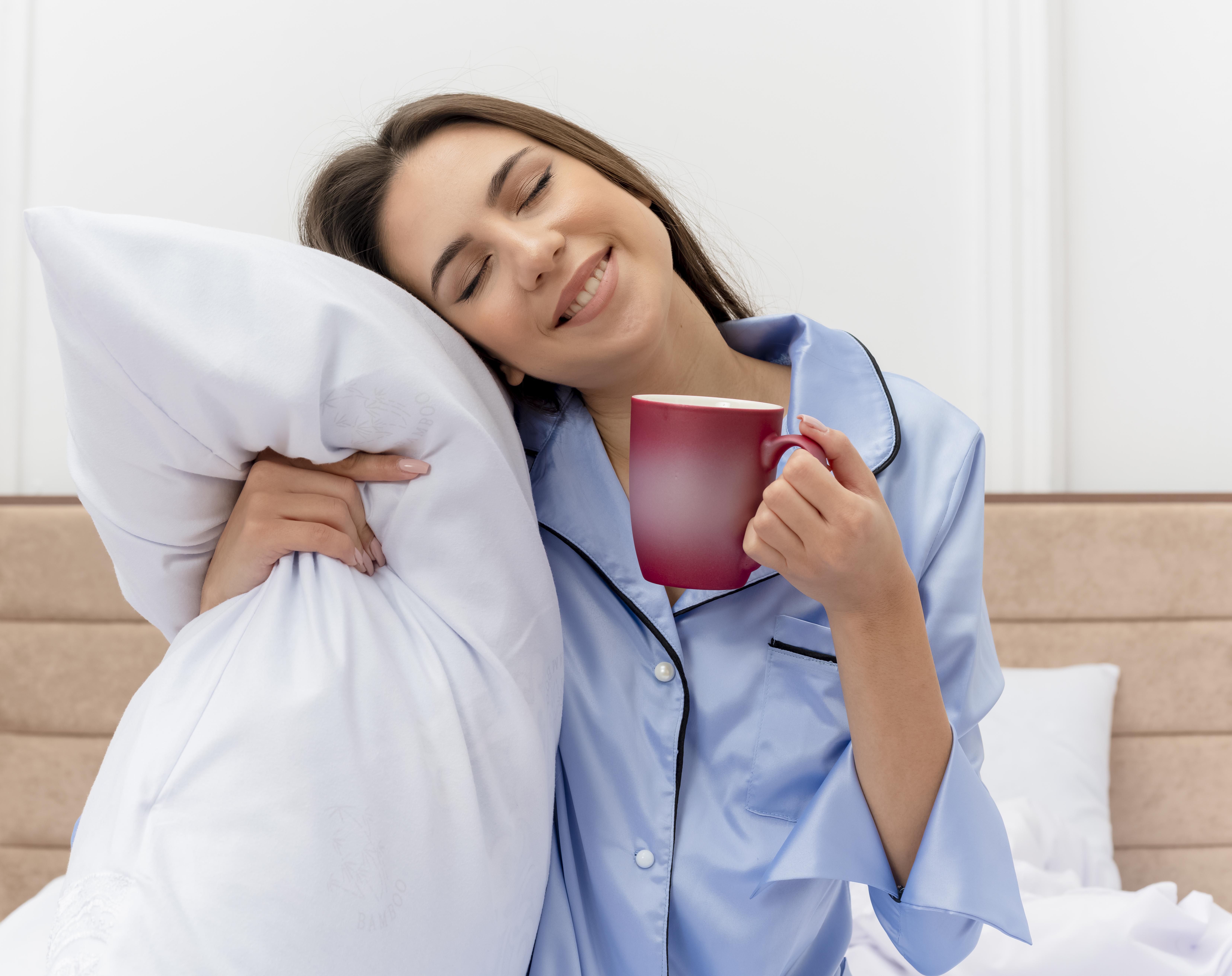
Getting a good night’s sleep can be challenging, especially in today’s fast-paced world. Fortunately, drinking the best teas for better sleep naturally is a simple and effective way to relax before bedtime. Herbal teas have been used for centuries to calm the mind, reduce stress, and support healthy sleep without relying on medication.
In this guide, you’ll discover the best herbal teas that promote restful sleep, their benefits, and tips for making them part of your nightly routine.
Doomscrolling, Anxiety & Ayurveda: How to Calm an Overstimulated Mind

Doomscrolling Anxiety Ayurveda is becoming an increasingly important topic as more people struggle with mental overload caused by constant screen time. For Gen Z especially, endless scrolling through social media, news, and short videos can trigger anxiety, disturb sleep, and leave the mind feeling overwhelmed. Ayurveda explains that excessive digital stimulation can aggravate Vata dosha, affecting the nervous system and emotional balance. Understanding the connection between doomscrolling, anxiety, and Ayurveda can help you adopt natural practices that calm the mind and restore inner peace.
Ayurveda, the ancient Indian system of holistic healing, offers a unique perspective on this modern challenge. Rather than treating anxiety as an isolated issue, Ayurveda views it as an imbalance within the body’s natural energies, particularly the Vata dosha.
Let’s explore how doomscrolling affects your mind through the Ayurvedic lens and discover practical ways to restore calm naturally.
Ulcerative Colitis
Ulcerative colitis is a type of inflammatory bowel disease (IBD) that causes long-lasting inflammation and ulcers in the digestive tract. Specifically, it affects the innermost lining of the large intestine (colon) and rectum. Unlike acute infections, the symptoms usually develop gradually and tend to follow a pattern of flare-ups and remission.
Why Carbonated Drinks Cause Bloating

Many people enjoy carbonated drinks because they are refreshing, flavorful, and widely available. Whether it’s soda, sparkling water, or energy drinks, these fizzy beverages have become a regular part of many diets. However, if you’ve ever noticed a swollen stomach or uncomfortable fullness after drinking them, you may wonder why carbonated drinks cause bloating.
The answer lies in the carbon dioxide gas used to create the bubbles. Although carbonated beverages are generally safe when consumed in moderation, excessive intake can lead to bloating, gas, and digestive discomfort. Fortunately, understanding how these drinks affect your digestive system can help you make healthier choices and reduce unpleasant symptoms.
In this article, you’ll learn why carbonated drinks cause bloating, the science behind the bubbles, common symptoms, and practical remedies to improve digestive health.
Sleep Disturbances – Causes and Remedies

Sleep is one of the most essential pillars of good health. However, millions of people experience sleep disturbances that prevent them from getting the restorative rest their bodies and minds need. Whether it is difficulty falling asleep, waking up frequently during the night, or feeling tired even after a full night’s sleep, poor sleep can significantly affect daily life.
Fortunately, understanding the causes of sleep disturbances and adopting healthy sleep habits can make a remarkable difference. In this article, we will explore the common causes, symptoms, and effective remedies that can help you enjoy better sleep naturally.