The Forgotten Ayurvedic Flowers Lotus, known traditionally as Padma, holds a special place in classical Indian traditions. Beyond its beauty, Ayurveda has valued the lotus flower for its cooling, soothing, and nourishing qualities. Traditionally, Ayurvedic practitioners used different parts of the lotus, including its flowers, seeds, and rhizomes, for various wellness purposes.
Moreover, the lotus carries an important place in Indian culture, spirituality, and traditional medicine. Its ability to rise above muddy waters and bloom beautifully has also made it a powerful symbol of purity, renewal, and inner balance.
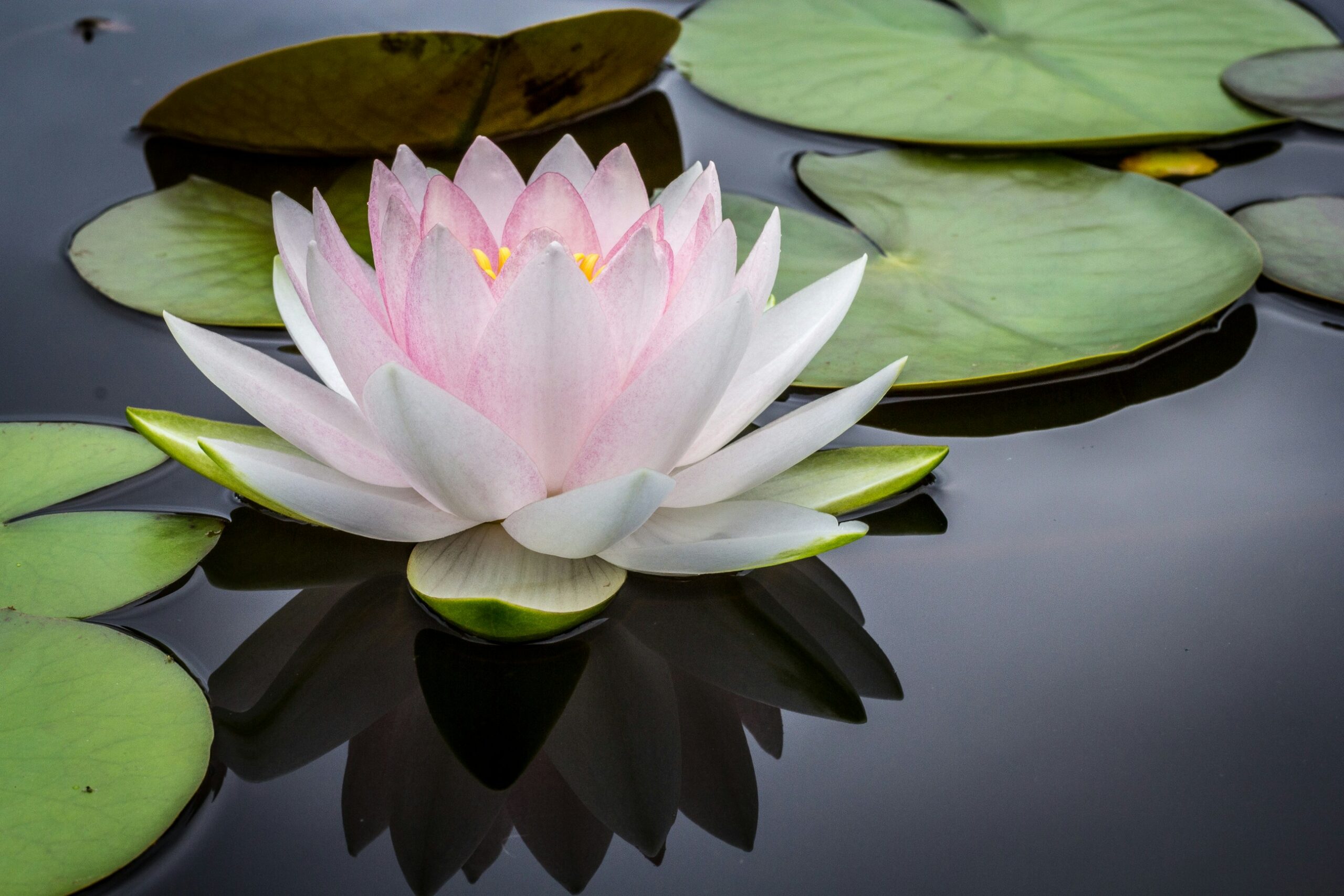
What Is Lotus?
Lotus generally refers to Nelumbo nucifera, commonly known as the sacred lotus or Indian lotus. The plant grows in ponds, lakes, and other freshwater environments.
The flower usually appears in shades of pink or white, with numerous petals surrounding its distinctive central structure. Furthermore, traditional systems of Indian medicine have used several parts of the plant for different purposes.
In Ayurveda, the lotus flower is commonly known as Padma. Classical Ayurvedic literature describes lotus among plants valued for their cooling and soothing nature.
Lotus in Ayurveda
The Forgotten Ayurvedic Flowers Lotus represents more than an ornamental flower. Ayurveda traditionally associates lotus with qualities that can help cool and soothe the body.
Its traditional properties make it particularly interesting from an Ayurvedic perspective:
- Cooling in nature
- Traditionally associated with Pitta balance
- Traditionally valued for its soothing qualities
- Used in traditional preparations for supporting overall wellness
- Associated with nourishment and rejuvenation in traditional practices
However, Ayurveda considers the individual constitution, digestion, season, age, and overall health before recommending any medicinal plant.
Lotus and the Doshas
Ayurveda views health through the balance of Vata, Pitta, and Kapha. Because lotus traditionally carries cooling and soothing qualities, practitioners have particularly associated it with Pitta-related imbalances.
Lotus and Pitta
Lotus has a traditionally cooling nature, so Ayurvedic practices have used it when excess heat or Pitta qualities appear.
For example, traditional preparations may support a feeling of calmness and coolness during periods when the body feels overheated.
Lotus and Vata
Although lotus primarily receives attention for its cooling qualities, Ayurveda does not recommend herbs based on dosha alone. Therefore, people with prominent Vata characteristics may require appropriate combinations or preparations rather than using lotus independently.
Lotus and Kapha
Because excessive cooling can sometimes increase Kapha qualities, people with a Kapha-dominant constitution may need more individualized guidance.
Thus, Ayurvedic practitioners consider the complete picture rather than treating every person in the same way.
Traditional Uses of Lotus
Traditional Ayurvedic and Indian practices have used different parts of the lotus plant for various purposes.
1. Traditionally Used for Cooling
Lotus has a long-standing association with cooling and soothing properties. Consequently, traditional preparations have included lotus when Ayurveda aims to calm excessive heat.
2. Traditional Support for Calmness
The lotus flower also carries a strong connection with tranquility and serenity. Traditional Ayurvedic practices have valued it as part of approaches intended to promote a calm and settled state.
However, people should not interpret these traditional uses as proof that lotus treats anxiety or other medical conditions.
3. Traditional Digestive Uses
Different parts of the lotus plant have appeared in traditional preparations associated with digestive wellness.
Nevertheless, the effects can vary depending on the plant part, preparation, dosage, and individual constitution.
4. Traditional Skin and Beauty Practices
Lotus has also appeared in traditional Indian beauty practices. Its flowers and other plant parts have been incorporated into preparations intended to support healthy-looking skin.
Today, lotus extracts also appear in various cosmetic formulations.
Lotus and Pitta-Related Heat
From an Ayurvedic viewpoint, excessive Pitta can manifest through qualities such as heat, intensity, and irritation. Therefore, traditional Ayurvedic practices often favour cooling substances when they suit the individual’s constitution.
Lotus fits this traditional framework because Ayurveda associates it with cooling and soothing qualities.
Still, a cooling herb or flower does not automatically suit everyone. An Ayurvedic practitioner can determine whether lotus fits an individual’s Prakriti and current state of balance.
Lotus in Traditional Indian Culture
The lotus has remained deeply connected with Indian culture for thousands of years.
It appears in religious art, architecture, literature, and classical symbolism. Moreover, the flower represents purity because it emerges from water while maintaining its striking beauty.
This symbolism also complements Ayurvedic ideas about balance, renewal, and harmony.
The lotus therefore occupies a unique position: it serves as both a cultural symbol and a plant with a long history of traditional use.
Lotus as a Forgotten Ayurvedic Flower
Modern wellness discussions often focus on popular herbs such as Ashwagandha, Turmeric, Brahmi, and Tulsi. However, traditional Ayurveda includes many lesser-discussed flowers and plants.
The Forgotten Ayurvedic Flowers Lotus deserves attention because traditional Indian knowledge valued the plant far beyond its ornamental beauty.
Its cooling qualities, cultural significance, and traditional applications make lotus an interesting example of India’s rich botanical heritage.
How Lotus Appears in Traditional Preparations
Traditional practices have used several parts of the lotus plant, including:
- Flowers
- Seeds
- Rhizomes
- Leaves
Each part has different properties and traditional applications. Therefore, people should not assume that the entire plant works in the same way.
In addition, preparation methods can influence the qualities and uses of a plant. For this reason, Ayurvedic practitioners traditionally select the plant part and preparation according to the individual’s needs.
Lotus and Modern Research
Modern researchers have investigated Nelumbo nucifera for its phytochemical composition and potential biological activities. Studies have explored compounds found in different parts of the plant, including flavonoids, alkaloids, and other phytochemicals.
However, laboratory and early research findings do not automatically establish clinical benefits in humans.
Therefore, researchers need more well-designed human studies before we can make strong medical claims about lotus.
How to Use Lotus Safely
Lotus can appear in food, traditional preparations, teas, cosmetics, and herbal products. However, medicinal use requires more care.
If you plan to consume lotus for a specific health concern, consult a qualified Ayurvedic practitioner or healthcare professional first. They can consider your constitution, medications, existing conditions, and the appropriate plant part and preparation.
Also, avoid self-prescribing concentrated herbal extracts simply because a plant has a long traditional history.
Precautions
Although lotus has a long history of traditional use, natural does not always mean risk-free.
Keep these points in mind:
- Use medicinal preparations under appropriate professional guidance.
- Choose correctly identified plant material.
- Avoid assuming that traditional use guarantees a medical benefit.
- Discuss herbal products with your healthcare professional if you take regular medicines.
- Pregnant or breastfeeding individuals should seek professional advice before using medicinal lotus preparations.
- Stop using a product if it causes an unusual reaction and seek appropriate medical advice.
Frequently Asked Questions
1. What is lotus called in Ayurveda?
Ayurveda commonly refers to the lotus as Padma. The sacred lotus is generally identified botanically as Nelumbo nucifera.
2. Is lotus traditionally considered cooling in Ayurveda?
Yes. Ayurveda traditionally associates lotus with cooling and soothing qualities, which makes it particularly relevant to traditional approaches involving Pitta.
3. Which dosha does lotus traditionally support?
Lotus is traditionally associated with Pitta balance because of its cooling qualities. However, Ayurvedic recommendations depend on an individual’s constitution and current condition.
4. Can I consume lotus every day?
Regular medicinal consumption should not become a habit without guidance. The appropriate plant part, preparation, quantity, and duration depend on the individual.
5. Is lotus used only as a flower in Ayurveda?
No. Traditional practices have used several parts of the lotus plant, including its flowers, seeds, rhizomes, and leaves.
6. Is lotus supported by modern scientific research?
Researchers have studied Nelumbo nucifera for its phytochemicals and potential biological activities. However, more human research remains necessary before researchers can confirm many traditional health claims
Final Thoughts
The Forgotten Ayurvedic Flowers Lotus reminds us that Ayurveda’s botanical heritage extends far beyond the herbs that dominate modern wellness conversations.
Known traditionally as Padma, lotus carries cooling and soothing qualities and has a particularly strong connection with Pitta in Ayurvedic thought. Furthermore, its cultural significance adds another fascinating dimension to its history.
While modern research continues to investigate Nelumbo nucifera, we should approach its medicinal use with respect for both traditional knowledge and modern evidence.
Ayurvedic Disclaimer: This article discusses traditional Ayurvedic knowledge and should not be taken as medical advice. Traditional uses do not necessarily represent scientifically proven treatments. Consult a qualified Ayurvedic practitioner or healthcare professional before using lotus or any herbal preparation for a health condition, particularly during pregnancy, breastfeeding, or when taking medication.

Hello!!
I’m Dr. Malini Bhat MD (Ayu); an Ayurvedic Doctor and a health blogger. Follow me on social media to get daily health tips which you can easily adapt to a healthy lifestyle.