Bael fruit in Ayurveda has a long history as a valued fruit used for digestion, nourishment, and traditional wellness. Known botanically as Aegle marmelos, bael is also called Bilva in Sanskrit. Its hard shell, fragrant pulp, and distinctive taste make it very different from many fruits commonly found today.
Moreover, Ayurveda has traditionally valued different parts of the bael tree, including its fruit, leaves, roots, and bark. However, the ripe fruit receives particular attention for its nourishing and digestive qualities. Traditionally, people have enjoyed bael pulp as a fresh fruit, drink, or ingredient in Ayurvedic preparations.
As modern diets increasingly rely on processed foods, traditional fruits such as bael deserve renewed attention. Nevertheless, traditional use does not automatically prove that bael can treat or cure a medical condition.
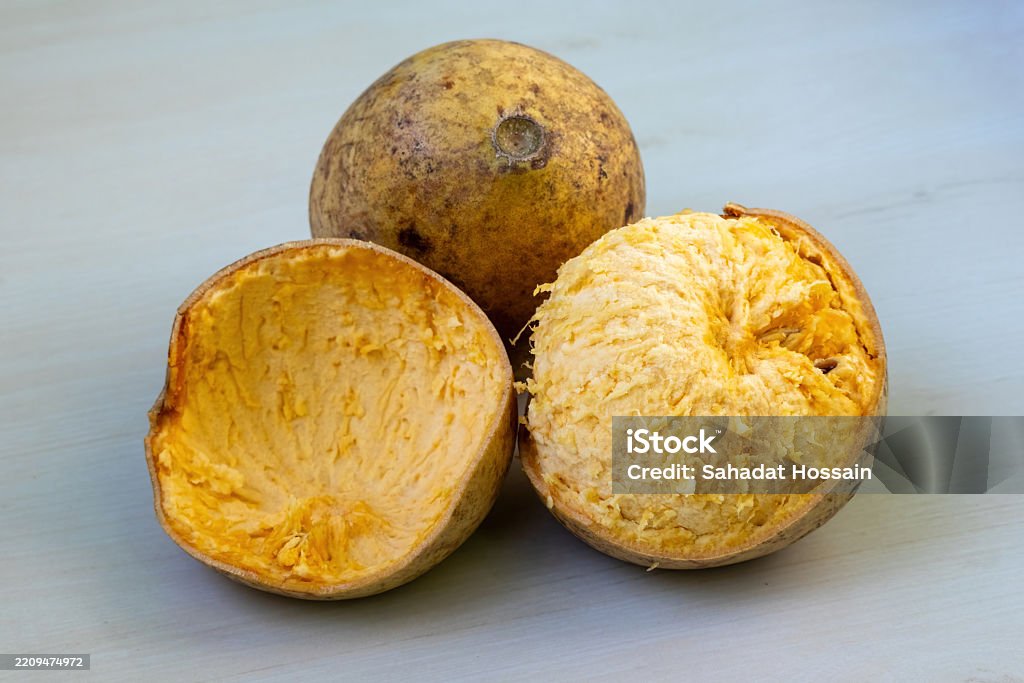
What Is Bael?
Bael is a tropical fruit that grows on the bael tree, Aegle marmelos, which belongs to the Rutaceae family. The fruit develops a hard, woody outer shell that protects its aromatic pulp.
When ripe, the pulp becomes soft and sweet with a distinctive fragrance. In contrast, unripe bael has a firmer texture and a more astringent character.
In India, bael has also held cultural and religious significance for centuries. The leaves of the tree are especially associated with Lord Shiva. Consequently, the bael tree occupies an important place not only in traditional health practices but also in Indian culture.
Bael Fruit in Ayurveda
In Ayurveda, bael fruit in Ayurveda is traditionally associated with digestive health and the balance of the doshas.
Ayurvedic texts describe Bilva as having properties that can support Agni, the digestive fire. Traditionally, different forms of the fruit have been selected according to the desired purpose and the condition of the person.
The fruit’s qualities can vary depending on whether it is ripe or unripe. Therefore, Ayurveda does not necessarily treat every preparation of bael in the same way.
Traditionally, bael is particularly valued for its relationship with Vata and Kapha, although its effects depend on preparation, quantity, digestion, constitution, and overall diet.
Traditional Ayurvedic Benefits of Bael
1. Supports Healthy Digestion
One of the best-known traditional uses of bael fruit in Ayurveda involves digestion.
Bael has traditionally been used to support normal digestive function and maintain healthy bowel movements. Its naturally occurring fibre also contributes to digestive wellness.
Furthermore, Ayurvedic practitioners have traditionally considered ripe bael nourishing while using other forms of the fruit for different digestive purposes.
2. Supports Agni
Ayurveda places considerable importance on Agni, or digestive fire. Strong and balanced Agni helps the body process food efficiently.
Traditionally, bael has been included in dietary practices intended to support healthy digestion and Agni. Therefore, it can be an interesting addition to a traditional Ayurvedic approach to digestive wellness.
However, digestion varies greatly from person to person. What works well for one individual may not suit another.
3. Traditionally Used for Bowel Health
Bael has a long history of traditional use for maintaining bowel regularity.
The fruit contains dietary fibre, while its traditional Ayurvedic properties have made it particularly notable in discussions of intestinal health.
For this reason, bael remains one of the more interesting forgotten fruits from the Ayurvedic tradition.
4. Provides Naturally Occurring Nutrients
Like other whole fruits, bael provides naturally occurring nutrients and plant compounds.
Its pulp contains carbohydrates, fibre, vitamins, minerals, and various phytochemicals. However, the nutritional composition can vary depending on the fruit’s maturity and preparation.
Therefore, bael can complement a varied diet rather than replace other fruits and vegetables.
5. Traditionally Valued During Hot Weather
Bael drinks have long been enjoyed in India, particularly during warmer months.
A traditional bael drink can provide fluids while also offering the distinctive flavour and nutritional components of the fruit. Depending on the recipe, people may prepare it with water, spices, or natural sweeteners.
Nevertheless, adding excessive sugar can reduce the nutritional value of the drink. A lightly sweetened or unsweetened preparation makes a more balanced everyday choice.
Ripe Bael vs. Unripe Bael
The traditional use of bael changes depending on the maturity of the fruit.
Ripe bael generally has:
- Sweet and aromatic pulp
- A softer texture
- A nourishing character
- Traditional use as a food and beverage
Unripe bael generally has:
- Firmer pulp
- A more astringent taste
- Different traditional digestive applications
- Use in certain Ayurvedic preparations
Consequently, simply referring to “bael” does not tell the whole story. The fruit’s maturity, preparation, quantity, and individual constitution all matter.
How to Enjoy Bael Traditionally
One of the simplest ways to enjoy bael is as a traditional fruit drink.
To prepare it, the pulp can be removed from a ripe fruit and mixed with water. The mixture can then be strained and served chilled or at room temperature. Some traditional recipes add a small amount of jaggery, spices, or other ingredients.
You can also use bael pulp as part of traditional recipes and seasonal preparations.
However, moderation remains important. Instead of treating bael as a miracle food, consider it one component of a diverse and balanced diet.
Bael and the Ayurvedic Concept of Agni
The concept of Agni makes bael particularly interesting from an Ayurvedic perspective.
According to Ayurveda, healthy digestion forms an important foundation for overall wellbeing. When digestion functions properly, the body can process food and nutrients more effectively.
Therefore, traditional Ayurvedic practices often focus on supporting Agni through appropriate food choices, meal timing, lifestyle habits, and individualized care.
Bael has traditionally been one of the fruits included in this broader approach.
Why Bael Became a Forgotten Fruit
Bael once featured prominently in traditional Indian diets and household practices. Today, however, many people rarely encounter the whole fruit.
Several factors have contributed to this change. Modern food systems favour fruits that are easier to transport, store, peel, and consume. Bael’s extremely hard shell makes it less convenient than familiar fruits such as apples, bananas, or oranges.
Furthermore, many younger generations have become less familiar with traditional seasonal foods.
As a result, rediscovering bael fruit in Ayurveda can reconnect us with India’s diverse food heritage.
What Modern Research Says
Modern researchers have investigated Aegle marmelos for its nutritional components and various plant compounds. Laboratory and preliminary studies have explored its antioxidant, antimicrobial, metabolic, and other biological properties.
However, laboratory findings do not automatically translate into proven health benefits in humans. More high-quality clinical research is necessary before making strong therapeutic claims.
Therefore, it is best to appreciate bael both as a traditional food and as a subject of ongoing scientific research.
Who Should Be Careful With Bael?
Although bael is traditionally consumed as a food, concentrated preparations may not suit everyone.
People who are pregnant or breastfeeding, children, older adults taking multiple medicines, or individuals managing a medical condition should seek advice from a qualified healthcare professional before using concentrated bael supplements or medicinal preparations.
Also, people with persistent digestive symptoms should not rely on bael alone. Ongoing pain, bleeding, unexplained weight changes, severe constipation, or persistent diarrhoea requires appropriate medical evaluation.
Bael: An Ayurvedic Fruit Worth Remembering
Bael represents more than an old-fashioned fruit. It reflects the Ayurvedic tradition of connecting food, digestion, season, and individual constitution.
Its distinctive flavour, cultural importance, and traditional digestive applications make it a fascinating addition to the Forgotten Fruits of Ayurveda series.
Most importantly, bael reminds us that traditional Indian food culture contains many overlooked ingredients that deserve to be remembered and studied responsibly.
Rather than viewing bael as a cure-all, we can appreciate it for what it is: a remarkable traditional fruit with a long cultural and Ayurvedic history.
Ayurvedic Disclaimer
This article is intended for educational purposes only. Traditional Ayurvedic uses described here should not be considered medical advice or proven treatments for disease. Scientific evidence for many traditional claims remains limited or preliminary. Consult a qualified Ayurvedic practitioner or healthcare professional before using bael medicinally, especially if you are pregnant, breastfeeding, taking medication, or managing a health condition.

Hello!!
I’m Dr. Malini Bhat MD (Ayu); an Ayurvedic Doctor and a health blogger. Follow me on social media to get daily health tips which you can easily adapt to a healthy lifestyle.