Ayurveda has preserved countless herbal formulations that continue to support health and wellbeing even today. However, many of these classical remedies receive less attention than modern supplements. In this edition of Forgotten Formulations of Ayurveda Triphala, we explore one of Ayurveda’s most celebrated and versatile formulations. Although Triphala has been used for thousands of years, many people know it only as a digestive aid. In reality, this remarkable blend offers far more than digestive support.
Moreover, Triphala is considered a Rasayana, or rejuvenating formulation, because it promotes long-term health while helping the body maintain balance naturally.
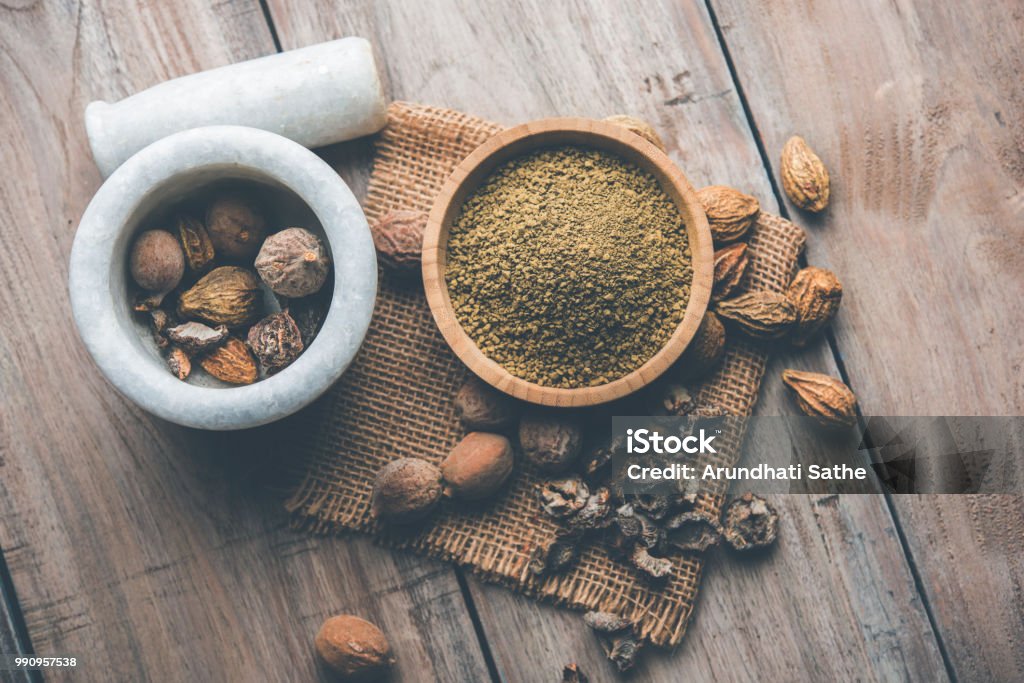
What is Triphala?
The word Triphala comes from Sanskrit and means “three fruits.” This classical Ayurvedic formulation combines the dried fruits of three medicinal plants in carefully balanced proportions.
The three fruits are:
- Haritaki (Terminalia chebula)
- Bibhitaki (Terminalia bellirica)
- Amalaki (Amla) (Phyllanthus emblica)
Each fruit contributes unique therapeutic properties. Consequently, the combination provides broader health benefits than any one fruit alone.
For centuries, Ayurvedic practitioners have prescribed Triphala to support digestion, detoxification, immunity, eye health, and overall vitality.
Why is Triphala So Important in Ayurveda?
Unlike many herbal formulations that focus on a single condition, Triphala supports multiple body systems simultaneously. Ayurveda values it because it promotes gentle cleansing while nourishing tissues instead of depleting them.
Furthermore, Triphala helps balance all three doshas—Vata, Pitta, and Kapha—making it one of the most versatile formulations in Ayurvedic medicine.
Ayurvedic Properties
Haritaki
- Primary Dosha: Vata
- Main Actions: Supports digestion, elimination, and rejuvenation
Bibhitaki
- Primary Dosha: Kapha
- Main Actions: Supports respiratory health, metabolism, and detoxification
Amalaki
- Primary Dosha: Pitta
- Main Actions: Promotes cooling, nourishment, immunity, and healthy ageing
Together, these three fruits create a balanced formulation that supports the entire body.
Health Benefits of Triphala
1. Supports Healthy Digestion
Triphala is best known for promoting digestive health. It helps maintain healthy bowel movements while supporting efficient digestion.
Therefore, Ayurvedic practitioners frequently recommend Triphala for maintaining digestive balance rather than providing harsh stimulation.
2. Promotes Gentle Detoxification
Ayurveda places great importance on eliminating accumulated Ama, or metabolic waste. Triphala encourages the body’s natural cleansing processes without causing excessive irritation.
Consequently, it has become one of Ayurveda’s preferred formulations for gentle detoxification.
3. Supports Healthy Immunity
Healthy digestion forms the foundation of strong immunity in Ayurveda. Since Triphala promotes digestive efficiency, it also supports the body’s natural defence mechanisms.
Moreover, Amalaki provides abundant natural antioxidants that contribute to overall wellness.
4. Rich in Antioxidants
The three fruits in Triphala contain a wide range of naturally occurring polyphenols, tannins, and vitamin C, particularly from Amalaki.
As a result, researchers continue to study Triphala for its antioxidant activity and its role in protecting cells from oxidative stress.
5. Promotes Healthy Ageing
Because Triphala is classified as a Rasayana, Ayurveda recommends it to maintain vitality throughout life.
Furthermore, it nourishes body tissues while supporting long-term wellness and resilience.
6. Supports Eye Health
Classical Ayurvedic texts frequently mention Triphala in practices designed to maintain healthy vision.
Although more scientific evidence is needed, traditional practitioners have long valued Triphala for supporting eye health as part of a holistic lifestyle.
7. Helps Maintain Oral Health
Traditional Ayurveda also recommends Triphala for oral hygiene. It is commonly used as a mouth rinse or gargle to support healthy gums and maintain oral cleanliness.
Additionally, modern research has begun investigating its antimicrobial properties in oral care.
Modern Scientific Research
Researchers continue to study Triphala because of its broad range of bioactive compounds. Preliminary research suggests that the formulation may possess:
- Antioxidant properties
- Anti-inflammatory activity
- Antimicrobial effects
- Digestive support
- Immunomodulatory potential
Although many findings support traditional Ayurvedic knowledge, larger human clinical studies remain necessary to confirm these therapeutic effects.
Traditional Ayurvedic Uses
Ayurvedic practitioners have traditionally used Triphala to:
- Support healthy digestion
- Promote regular bowel movements
- Encourage gentle detoxification
- Support eye health
- Maintain oral hygiene
- Promote healthy ageing
- Enhance immunity
- Balance all three doshas
Common Forms of Triphala
Triphala is available in several traditional preparations, including:
- Triphala Churna (Powder)
- Triphala Tablets
- Triphala Capsules
- Triphala Kwatha (Decoction)
- Triphala Ghrita (Medicated Ghee)
A qualified Ayurvedic practitioner can recommend the most appropriate form according to an individual’s constitution and health goals.
Are There Any Side Effects?
When taken appropriately, Triphala is generally considered safe for most healthy adults.
Nevertheless, excessive intake may cause loose stools or abdominal discomfort in some individuals. Pregnant women, breastfeeding mothers, and people taking prescription medications should consult a healthcare professional or qualified Ayurvedic practitioner before using Triphala.
Conclusion
The story of Forgotten Formulations of Ayurveda Triphala demonstrates why this three-fruit blend has remained one of Ayurveda’s most trusted formulations for centuries. Rather than targeting a single health concern, Triphala supports digestion, detoxification, immunity, healthy ageing, and overall balance.
Furthermore, its gentle yet comprehensive approach reflects Ayurveda’s philosophy of maintaining wellness before illness develops. As scientific research continues to explore its traditional uses, Triphala remains a timeless example of holistic healing and one of Ayurveda’s greatest botanical treasures.
Frequently Asked Questions (FAQs)
What is Triphala made of?
Triphala contains three medicinal fruits: Haritaki, Bibhitaki, and Amalaki (Amla).
What is Triphala mainly used for?
Ayurveda traditionally uses Triphala to support healthy digestion, promote gentle detoxification, maintain regular bowel movements, support immunity, and encourage healthy ageing.
Does Triphala balance all three doshas?
Yes. Triphala is one of the few classical Ayurvedic formulations traditionally believed to help balance Vata, Pitta, and Kapha.
Is Triphala a Rasayana?
Yes. Ayurveda classifies Triphala as a Rasayana, meaning it promotes rejuvenation, vitality, and long-term wellness.
Is there scientific evidence supporting Triphala?
Yes. Modern research suggests antioxidant, anti-inflammatory, antimicrobial, and digestive-supporting properties. However, additional human clinical studies are needed to confirm many of its traditional therapeutic uses.

Hello!!
I’m Dr. Malini Bhat MD (Ayu); an Ayurvedic Doctor and a health blogger. Follow me on social media to get daily health tips which you can easily adapt to a healthy lifestyle.