As soon as I hear the name bitter gourd, or even see it on my plate, my mouth automatically prepares for the bitterness. Before I know it, I have that weird expression on my face that is definitely not a pleasant sight!
However, bitter gourd deserves more appreciation than it usually gets. Many people associate it only with diabetes, but that is far from the whole story. Bitter gourd is a nutrient-rich vegetable that can be included in a balanced diet for its fibre, antioxidants and naturally bitter taste.
In Ayurveda, bitter foods have a special place because they are traditionally associated with qualities that can help support digestion and balance, particularly when used appropriately.
So, despite that unmistakable bitter taste, there are plenty of reasons to give this humble vegetable a chance.
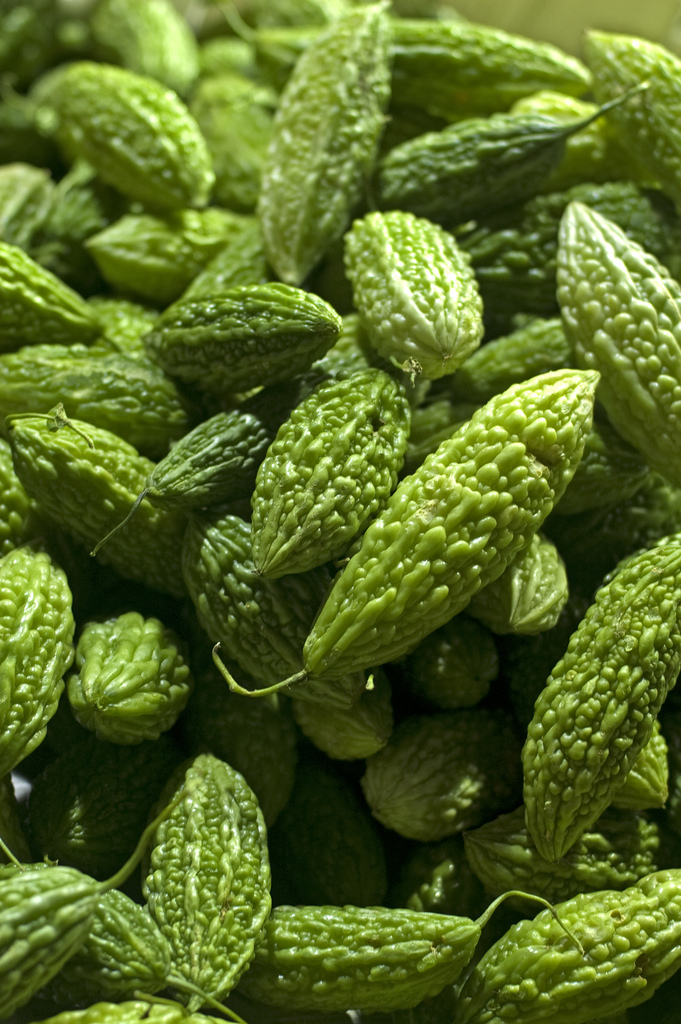
Image source — /uiruriamu/
What Is Bitter Gourd?
Bitter gourd, also called karela, is a green vegetable known for its intensely bitter taste. Its botanical name is Momordica charantia.
Interestingly, the bitterness comes from naturally occurring plant compounds. Although that bitterness can make it difficult for some people to enjoy, it is also part of what makes bitter gourd such a distinctive food.
You can eat bitter gourd cooked as a vegetable, add it to certain traditional preparations, or use its juice in small quantities. However, more is not necessarily better, particularly when using concentrated juice.
Bitter Gourd and Ayurveda
From an Ayurvedic perspective, bitter gourd is associated with the Tikta Rasa, or bitter taste.
Traditionally, bitter foods are considered light and cleansing in nature. They are especially associated with supporting Pitta and Kapha balance, although the right quantity depends on the individual’s constitution, digestion and overall health.
At the same time, people with a strong Vata tendency may need to consume bitter and drying foods more carefully.
Therefore, Ayurveda does not simply say that everyone should consume large amounts of bitter gourd every day. Instead, quantity, preparation and individual suitability matter.
Benefits of Bitter Gourd
1. Bitter Gourd Supports Healthy Blood Sugar
This is probably the benefit most people associate with karela.
Bitter gourd contains several plant compounds that researchers have studied for their potential effects on glucose metabolism. Some studies suggest that bitter gourd may help support healthy blood sugar levels.
However, bitter gourd should not replace diabetes medication or prescribed treatment.
If you have diabetes or take medicines that lower blood sugar, speak with your healthcare professional before regularly consuming concentrated bitter gourd juice.
2. It Provides Antioxidants
Bitter gourd contains various antioxidant compounds along with vitamin C and other nutrients.
Antioxidants help protect cells from oxidative stress. Consequently, including a variety of colourful vegetables in the diet can contribute to overall health.
Bitter gourd can therefore be one useful addition to a balanced vegetable-rich diet.
3. Bitter Gourd May Support Digestion
Bitter gourd provides dietary fibre, which plays an important role in maintaining healthy digestion and regular bowel movements.
Moreover, its bitter taste has traditionally been valued in Ayurveda for supporting Agni, or digestive function.
That said, large quantities may not suit everyone. If bitter gourd causes stomach discomfort, reduce the quantity or choose a cooked preparation instead of concentrated juice.
4. It Can Be Helpful for Weight Management
Bitter gourd is naturally low in calories and provides fibre. As a result, it can fit comfortably into a balanced diet for people who are trying to manage their weight.
However, bitter gourd does not magically burn fat or dramatically increase metabolism.
Instead, think of it as one nutritious vegetable that can replace heavier, calorie-dense foods as part of an overall healthy eating pattern.
You can also read our guide on superfoods for weight loss.
5. Bitter Gourd May Support Healthy Cholesterol Levels
A diet rich in vegetables, fibre and antioxidant-containing foods can support cardiovascular health.
Bitter gourd has also been studied for its potential effects on blood lipids. Nevertheless, more research is needed before we can make strong claims about bitter gourd alone lowering cholesterol.
Therefore, enjoy karela as part of a heart-friendly diet rather than treating it as a cholesterol-lowering medicine.
6. It Supports a Healthy Gut
The fibre in bitter gourd can contribute to normal bowel function and overall gut health.
Additionally, eating vegetables with adequate fibre helps increase dietary variety, which is important for maintaining a healthy gut environment.
For this reason, bitter gourd can be useful for people who enjoy its taste and tolerate it well.
7. Bitter Gourd Contains Nutrients Important for Immunity
Bitter gourd contains vitamin C and other antioxidant compounds that contribute to normal immune function.
Rather than thinking of it as an instant immunity booster, it is better to view bitter gourd as one part of a varied diet containing vegetables, fruits, pulses, whole grains and adequate protein.
8. It May Support Skin Health
The antioxidants and vitamin C found in bitter gourd contribute to general skin health.
Traditional practices have also used bitter gourd in various skin-related preparations. However, that does not mean drinking bitter gourd juice will automatically clear acne or give everyone a flawless complexion.
For acne, diet may play a role for some people, but persistent acne usually requires a more comprehensive approach. You can also read our guide to Ayurvedic approaches for acne.
9. Bitter Gourd Has Traditionally Been Used for Worms
Traditional systems of medicine have used bitter gourd and related preparations for digestive complaints, including intestinal worms.
Modern research has also investigated compounds in bitter gourd for antiparasitic activity. However, bitter gourd should not replace proven treatment for a confirmed parasitic infection.
If you suspect intestinal worms, proper diagnosis and appropriate treatment are important.
10. Bitter Gourd Is Traditionally Valued for Liver Health
Bitter gourd has been studied for its potential antioxidant and liver-protective properties.
However, the popular claim that bitter gourd simply “cleanses all toxins from the liver” oversimplifies how the liver works.
Your liver already performs complex processes that help metabolise and eliminate substances from the body. Therefore, rather than thinking of karela as a detox drink, consider it a nutritious vegetable that may contribute to an overall healthy diet.
11. It May Support Healthy Digestion and Bowel Movements
Because bitter gourd contains fibre, it can help contribute to regular bowel movements.
Furthermore, adequate water intake and a diet containing different sources of fibre remain important.
If you frequently suffer from constipation, you can also explore our guide to Ayurvedic home remedies for constipation.
What About Bitter Gourd for Kidney Stones?
You may have heard that bitter gourd juice can flush kidney stones from the body.
There isn’t enough reliable evidence to recommend bitter gourd as a treatment for kidney stones. Kidney stones vary in size and composition, and treatment depends on the individual situation.
Therefore, don’t rely on bitter gourd juice to dissolve or flush out a known kidney stone.
If you have symptoms such as severe side or back pain, blood in the urine, fever or difficulty passing urine, seek medical attention promptly.
You can read more about the Ayurvedic perspective on kidney stones.
Can Bitter Gourd Help With Cholera or Jaundice?
Traditional medicine has used bitter gourd in various preparations for different health conditions. However, cholera and jaundice require proper medical evaluation and treatment.
Bitter gourd should never be considered a cure for either condition.
In particular, jaundice can have many different causes, including liver, gallbladder and blood-related conditions. Therefore, identifying the underlying cause is much more important than simply trying a home remedy.
Bitter Gourd and Hangovers
Another traditional claim suggests that bitter gourd can help with hangovers or alcohol-related intoxication.
There is not enough evidence to recommend bitter gourd as a reliable hangover cure.
The best approach after excessive alcohol consumption is hydration, rest and allowing the body time to recover. If someone shows signs of alcohol poisoning, seek emergency medical care rather than relying on home remedies.
How Much Bitter Gourd Should You Eat?
You don’t need to force yourself to drink large glasses of bitter gourd juice to obtain its nutritional benefits.
In fact, eating bitter gourd as a cooked vegetable may be a more practical approach for many people.
Start with a small portion and see how your body responds. If you tolerate it well, you can include it occasionally as part of a varied diet.
Who Should Be Careful With Bitter Gourd?
Bitter gourd is a food, but concentrated preparations can have stronger effects.
People taking blood-sugar-lowering medication should be particularly cautious because bitter gourd may potentially affect blood glucose levels.
Pregnant women should also avoid medicinal or concentrated bitter gourd preparations unless their healthcare professional specifically recommends them.
Likewise, anyone with a medical condition or anyone taking regular medication should discuss frequent medicinal use of bitter gourd with a qualified healthcare professional.
How to Make Bitter Gourd Easier to Eat
If the bitterness is the biggest problem, don’t give up immediately!
You can try several traditional cooking methods to make karela more palatable.
- Remove the seeds and inner pith before cooking.
- Slice it thinly.
- Rub it lightly with salt and allow it to rest before rinsing.
- Combine it with onions, spices or other vegetables.
- Cook it rather than drinking a concentrated juice.
- Start with a small serving.
Eventually, you may even find that you don’t make that funny face when you see it!
Bitter Gourd: Ayurvedic Takeaway
Bitter gourd may not win any awards for taste, but it certainly deserves a place in a balanced diet.
From an Ayurvedic perspective, its bitter taste and traditional qualities make it an interesting vegetable, particularly when used according to individual constitution and digestive capacity.
Modern research has also explored bitter gourd for blood sugar, antioxidant activity, metabolic health and other potential benefits. However, many of the stronger claims surrounding karela still need better human evidence.
So, why wait?
You don’t have to drink bitter gourd juice every morning. Start by adding a small portion of cooked bitter gourd to your meals and let your taste buds slowly get used to it.
After all, sometimes the foods we dislike the most can become some of the most interesting additions to our plate!

Hello!!
I’m Dr. Malini Bhat MD (Ayu); an Ayurvedic Doctor and a health blogger. Follow me on social media to get daily health tips which you can easily adapt to a healthy lifestyle.