A friend from Delhi called me recently and said that dengue cases were increasing there. Naturally, one of the first questions people ask after a dengue diagnosis is, “What should I eat to recover faster?”
Although no particular food can cure dengue, the right diet can support the body while it fights the infection. In particular, staying well hydrated and choosing light, nutritious foods can help you manage weakness, loss of appetite, and other symptoms.
So, if you or someone at home has dengue, here is a simple list of foods and drinks that you can include in the diet.
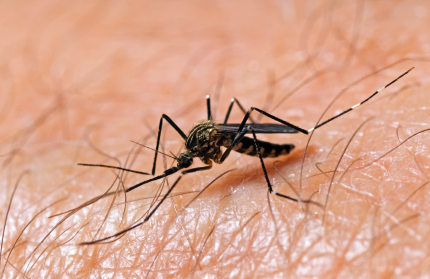
Image source — /28653629@N06/
So I thought why not give a list of food diet you can include which help combat the symptoms.
Here goes the list:
Orange –
Oranges are rich in vitamin C, water, and other nutrients. Therefore, they can make a refreshing addition to the diet during recovery.
Moreover, oranges contain dietary fiber, which can support normal digestion when you eat the whole fruit rather than drinking only the juice.
If the person has a sensitive stomach, however, choose small portions and see how well they tolerate the fruit.
Papaya –
Papaya provides vitamins, minerals, water, and dietary fiber, making it a nutritious fruit during recovery.
You may have heard that papaya leaf juice increases platelet counts in dengue. However, evidence for papaya leaf preparations remains limited, and they should not replace medical treatment or monitoring.
For this reason, it is safer to enjoy ripe papaya as a food rather than relying on papaya leaf juice as a dengue treatment.
Avoid Oily and Heavy Foods
Dengue can affect appetite and digestion. Consequently, very oily, fried, or heavy foods may feel uncomfortable and can be difficult to tolerate.
Instead, choose simple meals such as khichdi, soft rice, cooked vegetables, porridge, or light soups.
Furthermore, smaller meals throughout the day may work better than forcing yourself to eat a large meal.
Ginger Tea
Ginger has traditionally been used to support digestion and may have anti-inflammatory properties.
A mild cup of ginger tea can therefore be comforting if the person tolerates it well. However, do not make it excessively strong, especially when nausea or stomach discomfort is present.
Also, remember that ginger tea is a supportive drink, not a treatment for dengue itself.
Coconut Water
Coconut water provides fluids and naturally occurring electrolytes. Therefore, it can be a useful addition to the diet when someone is struggling to drink enough fluids.
However, coconut water should not become the only source of hydration. Water, oral rehydration solutions, soups, and other appropriate fluids can also contribute to maintaining hydration.
If vomiting, severe weakness, reduced urination, or other signs of dehydration occur, seek medical attention promptly.
Vegetable Juices
Fresh vegetable preparations can provide fluids and nutrients. Cucumber, carrot, and other vegetables can therefore be included according to the person’s appetite and tolerance.
However, whole or cooked vegetables are often a better choice than large quantities of juice because they provide more fiber.
If you choose vegetable juice, prepare it hygienically and consume it fresh.
Soups
Light soups can be particularly useful when solid food does not seem appealing.
For example, you can prepare a simple vegetable soup with easily digestible vegetables. It provides fluid and nutrients while also making a light meal.
Moreover, a warm bowl of soup may feel soothing when appetite is low.
Fresh Fruits and Fruit-Based Foods
Fruits can provide fluids, carbohydrates, vitamins, and minerals during recovery.
You can include fruits such as:
- Orange
- Guava
- Papaya
- Watermelon
- Banana
- Apple
However, there is no need to rely heavily on fruit juices simply because they contain vitamin C. Whole fruits are generally preferable because they also provide fiber.
If the person has nausea, vomiting, diarrhea, or poor appetite, choose fruits that they can comfortably tolerate.
What Else Should You Drink During Dengue?
Hydration deserves special attention during dengue. Therefore, offer fluids regularly rather than waiting until the person feels extremely thirsty.
Depending on medical advice and individual needs, fluids may include:
- Water
- Oral rehydration solution
- Coconut water
- Light soups
- Diluted fruit preparations
- Other suitable fluids recommended by a healthcare professional
If the person cannot keep fluids down, becomes unusually sleepy or confused, passes very little urine, develops bleeding, experiences severe abdominal pain, or has difficulty breathing, seek urgent medical care.
Ayurvedic Perspective on Food During Dengue
From an Ayurvedic perspective, digestion and appetite deserve attention during illness. Rather than forcing heavy foods, choose fresh, light, easily digestible meals according to the person’s tolerance.
Simple preparations such as rice gruel, light khichdi, cooked vegetables, and mild soups may be easier to digest.
However, dengue is an acute viral infection that requires appropriate medical monitoring. Ayurveda or dietary measures should therefore complement—not replace—medical care.
Dengue Diet: The Bottom Line
There is no magic food that can make dengue disappear overnight. Nevertheless, a nourishing and easily digestible diet can help support the body during recovery.
Focus on hydration, light meals, fresh fruits, cooked vegetables, and foods that the person can comfortably tolerate. At the same time, avoid very oily, fried, and heavy foods if they worsen digestive discomfort.
Most importantly, dengue can sometimes become serious. Therefore, regular medical monitoring is essential, particularly when platelet counts or other blood parameters need monitoring.
Food can support recovery, but proper medical care remains the most important part of dengue management.

Hello!!
I’m Dr. Malini Bhat MD (Ayu); an Ayurvedic Doctor and a health blogger. Follow me on social media to get daily health tips which you can easily adapt to a healthy lifestyle.