Forgotten Trees of Ayurveda Saptaparni introduces us to a remarkable tree that has held an important place in traditional Indian medicine. Known botanically as Alstonia scholaris, Saptaparni belongs to the Apocynaceae family. It is a tall evergreen tree that grows across several parts of India and other tropical regions of Asia.
Although modern wellness conversations often focus on popular herbs such as Ashwagandha, Turmeric, and Guduchi, Ayurveda also values many trees that receive far less attention today. Saptaparni is one such tree. Traditionally, Ayurvedic practitioners used different parts of the plant, particularly the bark and leaves, in carefully prepared formulations.
Moreover, its bitter nature gives Saptaparni an interesting place within Ayurvedic herbal knowledge.
What Is Saptaparni?
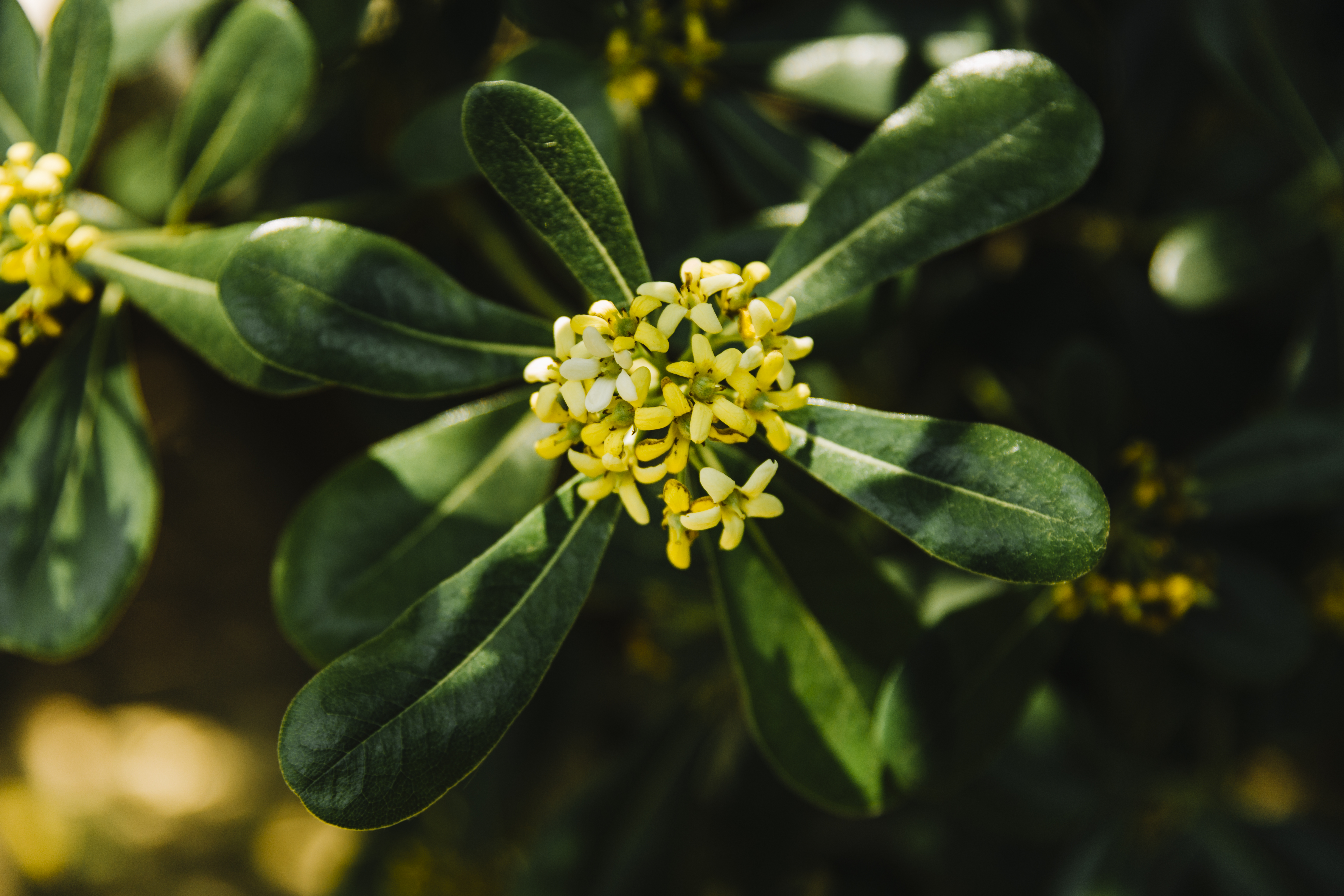
Saptaparni, also called Saptaparna, gets its name from its characteristic leaf arrangement. The Sanskrit name refers to the seven-leaf pattern often seen around a node.
Its botanical name is Alstonia scholaris. The tree can grow considerably tall and develops a straight trunk with a spreading crown. Its leaves appear in whorls, while its small flowers form clusters.
Interestingly, the tree also has a long history outside Ayurveda. Traditional systems across South and Southeast Asia have used Saptaparni for various purposes.
Therefore, Saptaparni represents the kind of medicinal tree that deserves renewed attention when exploring India’s traditional botanical heritage.
Saptaparni in Ayurveda
Ayurveda traditionally considers Saptaparni a tikta, or bitter-tasting, plant. Bitter herbs often play an important role in traditional Ayurvedic approaches to supporting digestion, metabolism, and the body’s natural cleansing processes.
Traditionally, practitioners used the bark and other plant parts in specific preparations. However, the exact preparation, dose, and duration depended on the individual’s constitution and health condition.
Furthermore, Ayurvedic herbal knowledge does not treat every plant as suitable for everyone. Instead, practitioners consider Prakriti, Vikriti, Agni, Dosha balance, age, season, and overall strength before recommending a medicinal herb.
Ayurvedic Properties of Saptaparni
Traditional Ayurvedic descriptions associate Saptaparni with properties that make it particularly interesting from an Ayurvedic perspective.
Some traditionally described characteristics include:
- Rasa: Tikta (bitter)
- Guna: Traditionally described as light and dry
- Dosha relevance: Traditionally associated with managing Kapha and supporting certain Pitta-related conditions
- Plant parts used: Bark, leaves, and other parts depending on the preparation
- Traditional role: Used in selected Ayurvedic preparations and traditional remedies
Because Ayurvedic pharmacology works through the combined understanding of Rasa, Guna, Virya, and Vipaka, practitioners consider the complete profile rather than focusing on one isolated property.
Traditional Uses of Saptaparni
Saptaparni has traditionally appeared in herbal practices for several purposes. However, traditional use does not automatically establish modern clinical effectiveness. Researchers still need stronger human studies to confirm many of these applications.
1. Traditional Support for Fever
Traditional medicine has used Saptaparni bark in preparations associated with fever management. Historically, bitter plants played an important role in traditional approaches to febrile conditions.
However, anyone experiencing persistent or high fever should seek appropriate medical evaluation rather than relying solely on herbal remedies.
2. Digestive Support
Because of its bitter taste, traditional Ayurvedic knowledge associates Saptaparni with digestive and metabolic support.
In Ayurveda, maintaining healthy Agni remains central to digestion and overall wellbeing. Consequently, practitioners may consider bitter herbs when an individual’s Ayurvedic assessment indicates their need.
3. Traditional Skin Applications
Traditional systems have also used preparations made from Saptaparni in certain skin-related conditions.
Ayurvedic approaches often connect skin health with digestion, metabolism, and the condition of Rakta dhatu. Therefore, practitioners may consider herbs according to the underlying Ayurvedic pattern rather than treating the skin alone.
4. Traditional Antimicrobial Interest
Saptaparni has attracted scientific interest because researchers have identified various plant compounds in Alstonia scholaris.
Laboratory research has investigated extracts and constituents for antimicrobial and other biological activities. Nevertheless, laboratory findings do not prove that consuming the plant will produce the same effects in humans.
Therefore, researchers need well-designed clinical studies before we can make strong health claims.
Saptaparni and the Doshas
Ayurveda views herbs according to their effects on the three doshas: Vata, Pitta, and Kapha.
Saptaparni’s bitter and traditionally light qualities make it particularly interesting in relation to Kapha-related imbalances. However, its dry qualities may require careful consideration in people with a strong Vata tendency.
Saptaparni and Kapha
Traditional Ayurvedic principles associate bitter herbs with reducing excessive Kapha qualities such as heaviness and sluggishness.
Therefore, practitioners may consider Saptaparni when the individual’s overall Ayurvedic assessment indicates excess Kapha.
Saptaparni and Pitta
Bitter herbs can also play a role in traditional Ayurvedic approaches to balancing certain Pitta patterns.
However, Ayurveda does not recommend herbs simply because they have a particular taste. Practitioners consider the complete constitution and condition before selecting an herb.
Saptaparni and Vata
Saptaparni’s traditionally dry qualities mean that people with pronounced Vata imbalance may require greater caution.
For this reason, self-prescribing concentrated preparations may not suit everyone.
What Makes Saptaparni Special?
One fascinating feature of Saptaparni is its botanical and traditional identity. The tree can reach impressive heights, and its leaves commonly grow in distinctive whorls.
Additionally, its bitter bark has made it a notable plant in traditional medicine.
The tree also contains a range of naturally occurring alkaloids and other phytochemicals. Scientists continue to investigate these compounds because they may contribute to the plant’s biological activity.
Still, traditional knowledge and modern pharmacological research serve different purposes. Ayurveda provides a traditional framework for understanding the plant, whereas modern research evaluates specific compounds, mechanisms, safety, and clinical outcomes.
How Was Saptaparni Traditionally Prepared?
Traditional preparations could vary depending on the intended purpose. Ayurvedic medicine uses several methods to process medicinal plants, including:
- Kwatha: herbal decoction
- Churna: powdered plant material
- Swarasa: expressed fresh juice
- Other compound formulations: combinations with other herbs
However, the correct preparation and dosage depend on the plant part, formulation, individual constitution, and intended use.
Therefore, people should not prepare concentrated Saptaparni remedies at home without qualified Ayurvedic guidance.
Saptaparni in Modern Research
Modern researchers have examined Alstonia scholaris for its phytochemical composition and biological activities.
Studies have identified alkaloids and other compounds in different parts of the plant. Researchers have also investigated antioxidant, antimicrobial, anti-inflammatory, and other activities in laboratory and experimental models.
However, these findings require careful interpretation. An effect observed in a laboratory or animal study does not necessarily translate into a proven treatment for humans.
Consequently, more high-quality clinical research remains necessary.
Safety and Precautions
Saptaparni is a medicinal plant rather than an everyday food. Therefore, people should use concentrated preparations with professional guidance.
In particular:
- Avoid self-prescribing medicinal doses.
- Consult a qualified Ayurvedic practitioner before using Saptaparni therapeutically.
- Pregnant or breastfeeding individuals should seek professional advice before using medicinal preparations.
- People taking prescription medicines should discuss herbal use with their healthcare professional.
- Do not replace necessary medical treatment with Saptaparni.
- Use correctly identified and properly processed plant material.
Furthermore, the bark and other concentrated plant preparations can differ significantly from traditional dietary use. Proper identification and preparation therefore matter.
Why Saptaparni Deserves to Be Remembered
Today, many people know only a small number of Ayurvedic herbs. Yet India’s traditional medicinal knowledge includes hundreds of plants and trees with fascinating histories.
Saptaparni reminds us that Ayurveda’s botanical heritage extends far beyond the most popular herbs.
Its distinctive leaves, bitter bark, traditional applications, and phytochemical diversity make it an interesting subject for anyone exploring Forgotten Trees of Ayurveda.
Most importantly, rediscovering such trees should involve both respect for traditional knowledge and responsible modern research.
Frequently Asked Questions About Saptaparni
1. What is Saptaparni?
Saptaparni is the common Ayurvedic name for Alstonia scholaris, a tall evergreen tree traditionally used in Indian and Southeast Asian medicine.
2. Which part of Saptaparni is traditionally used?
Traditional practices have used the bark, leaves, and other parts of the tree depending on the preparation and intended purpose.
3. What is Saptaparni traditionally used for?
Traditional medicine has used Saptaparni in preparations associated with fever, digestion, skin-related concerns, and other conditions. However, modern clinical evidence remains limited for many of these uses.
4. Is Saptaparni good for digestion?
Ayurvedic tradition associates the bitter properties of Saptaparni with digestive and metabolic support. However, its suitability depends on an individual’s constitution and condition.
5. Does Saptaparni balance Kapha?
Traditionally, its bitter and light qualities make it relevant to Kapha-balancing approaches. Nevertheless, an Ayurvedic practitioner should determine whether it suits an individual’s needs.
6. Can everyone take Saptaparni?
No. Saptaparni is a medicinal plant, so people should not assume that it suits everyone. A qualified practitioner can determine the appropriate preparation and dosage.
7. What is the botanical name of Saptaparni?
The botanical name of Saptaparni is Alstonia scholaris.
Conclusion
Forgotten Trees of Ayurveda Saptaparni takes us back to a lesser-known chapter of India’s traditional botanical heritage. With its characteristic leaf arrangement, bitter bark, and long history in traditional medicine, Saptaparni remains an intriguing medicinal tree.
Although modern research has begun investigating its phytochemicals and biological activities, much more clinical evidence remains necessary. Therefore, we should appreciate Saptaparni both as a traditional Ayurvedic plant and as a subject for responsible scientific study.
As the Forgotten Trees of Ayurveda series continues, Saptaparni reminds us that many valuable plants remain hidden in the pages of traditional knowledge, waiting to be rediscovered.

Hello!!
I’m Dr. Malini Bhat MD (Ayu); an Ayurvedic Doctor and a health blogger. Follow me on social media to get daily health tips which you can easily adapt to a healthy lifestyle.