As a Mangalorean, coconut oil has always been a part of my everyday life. We use it in cooking, hair care and traditional home remedies. In fact, in many South Indian homes, coconut oil is not just another kitchen ingredient—it is something that has been passed down through generations.
Coconut oil contains fatty acids, including lauric acid, and it also has properties that may help support the skin and hair. However, like any other oil, it is best used in moderation and according to your individual needs.
So, what are the practical uses and potential benefits of coconut oil?
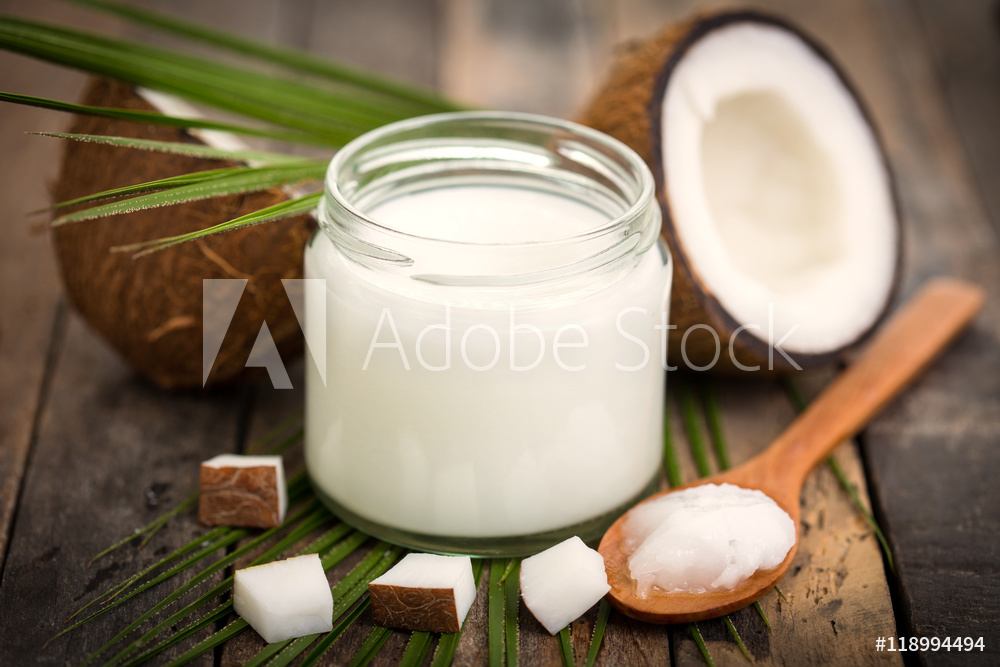
Coconut Oil for Skin
Firstly, coconut oil is an excellent emollient, which means it helps soften and moisturize dry skin. Therefore, applying a small amount to dry areas such as elbows, knees and heels can help reduce roughness.
Moreover, its moisturizing properties can help support the skin barrier and prevent excessive dryness.
You can also use coconut oil as a simple body moisturizer, particularly after a bath when the skin is slightly damp.
Coconut Oil for Hair
Coconut oil has been traditionally used for hair care for generations. Interestingly, it can penetrate the hair shaft better than many other oils, which may help reduce protein loss from the hair.
As a result, regular oiling may help make hair feel softer and reduce dryness and breakage.
Furthermore, coconut oil can make detangling easier.
How to use coconut oil for tangled hair
- First, slightly dampen your hair.
- Next, apply a small amount of coconut oil to the lengths.
- Then, gently massage the hair.
- Finally, use a wide-toothed comb and detangle the hair slowly, starting from the ends.
May Help Reduce Dry Scalp and Dandruff-Related Dryness
Coconut oil can moisturize a dry scalp and may provide some antimicrobial activity. However, dandruff is not always caused by simple dryness, so coconut oil may not work for everyone.
Therefore, if dandruff is persistent, severe or accompanied by redness and irritation, it is better to seek appropriate treatment rather than relying only on oiling.
Coconut Oil and Digestion
Coconut oil contains medium-chain fatty acids, which the body processes somewhat differently from many long-chain fats.
However, this does not mean that coconut oil is a cure for digestive problems. Instead, it can simply be included as one of several dietary fats as part of a balanced diet.
If you frequently experience acidity, heartburn, constipation or other digestive symptoms, it is better to address the underlying cause rather than depending on coconut oil alone.
Coconut Oil as a Source of Energy
Because coconut oil contains medium-chain fatty acids, some of its fats are absorbed and metabolized differently from longer-chain fatty acids.
Consequently, they can provide a readily available source of energy. Nevertheless, coconut oil is still calorie-dense, so adding large quantities to your diet is not a reliable way to increase energy or promote weight loss.
Does Coconut Oil Help With Weight Loss?
This is one area where many claims about coconut oil have become exaggerated.
Although medium-chain fatty acids are metabolized differently from many other fats, coconut oil is still a high-calorie food. Therefore, simply adding coconut oil to your diet is unlikely to cause weight loss.
Instead, if your goal is healthy weight management, focus on your overall diet, portion sizes, physical activity and sleep.
Coconut Oil and Heart Health
Coconut oil contains a high proportion of saturated fat. Therefore, it should not automatically be considered a heart-healthy oil simply because it is natural or traditionally used.
In particular, replacing coconut oil with oils rich in unsaturated fats may be more beneficial for cholesterol management.
So, if you already have high cholesterol or cardiovascular risk, speak with your doctor or dietitian about which cooking oil is most appropriate for you.
Coconut Oil and Blood Sugar
Coconut oil should not be considered a treatment for diabetes or a way to increase insulin secretion.
However, replacing some highly processed fats with healthier dietary choices can form part of an overall balanced eating pattern.
If you have diabetes, the overall quality and quantity of your diet matters much more than relying on one particular oil.
Coconut Oil for Minor Skin Irritation
Because coconut oil is moisturizing, it may help soothe dry, mildly irritated skin in some people.
Nevertheless, avoid applying it to serious wounds, infected skin or unexplained rashes without medical advice.
Always perform a small patch test first, especially if you have sensitive skin.
Coconut Oil and Stretch Marks
Coconut oil is often used traditionally to moisturize areas where stretch marks appear.
While keeping the skin moisturized may improve its softness and reduce dryness, there is not enough evidence to say that coconut oil can remove stretch marks.
Therefore, it is better to think of coconut oil as a moisturizer rather than a treatment for stretch marks.
Coconut Oil for Cracked Heels
This is one of my favourite simple uses.
First, soak your feet in warm water for around 10–15 minutes. Next, gently remove loose dead skin with a pumice stone. Afterwards, dry your feet thoroughly and massage a small amount of coconut oil onto the heels.
For better results, you can apply it before bedtime and wear clean cotton socks.
If the cracks are deep, painful or bleeding, however, they may need professional care.
Coconut Oil for Dry Elbows
Dry elbows can become rough and flaky, especially during colder or drier weather.
Fortunately, coconut oil can act as a simple moisturizer. Apply a small amount to the elbows and massage gently.
For particularly dry skin, applying it after bathing can help lock in moisture.
Coconut Oil for Fine Lines and Dry Skin
Coconut oil can temporarily make dry skin appear softer and smoother because it moisturizes the skin.
However, this does not mean that it reverses ageing or removes fine lines.
Therefore, use it as a moisturizer rather than expecting it to act as an anti-ageing treatment.
Also, if you have acne-prone facial skin, coconut oil may clog pores in some people. In that case, a non-comedogenic moisturizer may be a better option.
Coconut Oil and Sun Tan
Coconut oil can moisturize skin that feels dry after sun exposure. However, it should not be used as a substitute for sunscreen.
Therefore, protect your skin with broad-spectrum sunscreen and other sun-protection measures whenever you are outdoors.
Coconut Oil for Dark Circles
Because coconut oil moisturizes the delicate skin around the eyes, it may temporarily make dry skin look smoother.
However, dark circles can have many causes, including genetics, pigmentation, allergies and lack of sleep. Consequently, coconut oil cannot be expected to remove them.
Be particularly careful not to get oil into your eyes.
Coconut Oil for Minor Scrapes
Coconut oil has demonstrated antimicrobial activity in laboratory settings. Nevertheless, that does not make it a replacement for proper wound care.
For a minor scrape, first clean the area with clean running water and keep it protected. If the wound is deep, contaminated, increasingly painful or shows signs of infection, seek medical attention.
Coconut Oil and Athlete’s Foot
Coconut oil has antifungal properties in laboratory studies, but athlete’s foot is a fungal infection that may require an actual antifungal treatment.
Therefore, do not depend on coconut oil alone if you have persistent itching, peeling, cracking or redness between the toes.
Keeping the feet clean and dry is also important.
Coconut Oil for Arthritis
Coconut oil may be useful as a massage oil because it provides lubrication and moisturization. However, there is not enough evidence to say that applying coconut oil can treat arthritis or significantly reduce joint inflammation.
For arthritis-related pain, appropriate medical treatment, exercise and weight management can be much more important.
Coconut Oil and Bone Health
You may come across claims that coconut oil strengthens bones or prevents osteoporosis because it supposedly improves calcium absorption.
However, coconut oil should not be considered a treatment for osteoporosis or a substitute for calcium, vitamin D, exercise or prescribed treatment.
A balanced diet containing adequate calcium, vitamin D and protein, together with appropriate weight-bearing exercise, plays a much more established role in maintaining bone health.
Coconut Oil for Split Ends
Coconut oil can coat and condition the hair, making dry ends feel smoother. It may also help reduce some forms of hair damage.
However, once a hair strand has actually split, oil cannot permanently repair the split.
Therefore, regular trimming combined with gentle hair care is still important.
Coconut Oil for Bruises
Coconut oil may moisturize the skin around a bruise, but there is no strong evidence that it speeds up the healing of bruises.
Most ordinary bruises heal naturally with time. If a bruise appears without an obvious reason, becomes unusually large or painful, or keeps occurring, it is worth discussing with a healthcare professional.
So, Should You Use Coconut Oil Every Day?
Coconut oil can certainly have a place in the kitchen and in traditional personal care. Nevertheless, more is not necessarily better.
For cooking, use reasonable quantities and vary your sources of dietary fat. For skin and hair, use small amounts according to your needs.
Most importantly, remember that coconut oil is not a cure-all. It can moisturize the skin, condition the hair and provide a useful cooking fat, but many popular claims about it go far beyond the available evidence.
Ayurvedic Perspective on Coconut Oil
From an Ayurvedic perspective, coconut oil is traditionally valued for its cooling and soothing qualities and is commonly used externally for hair and skin care.
It may be particularly appealing when the skin or scalp feels dry or overheated. However, individual suitability can vary according to Prakriti, season, digestion and the way the oil is being used.
Therefore, Ayurveda also emphasizes using foods and oils according to the individual rather than assuming that one ingredient is equally suitable for everyone.
Final Thoughts
Coconut oil has earned its place in many Indian households for good reason. From traditional cooking to hair oiling and moisturizing dry skin, it has several practical uses.
At the same time, it is important to separate traditional uses from proven medical treatments. Rather than expecting coconut oil to cure every health problem, enjoy it as part of a balanced lifestyle and use it where its benefits are best supported.
And as someone from Mangalore, I can certainly say one thing—coconut oil is much more than just an oil in our kitchens; it is a part of our everyday tradition.

Hello!!
I’m Dr. Malini Bhat MD (Ayu); an Ayurvedic Doctor and a health blogger. Follow me on social media to get daily health tips which you can easily adapt to a healthy lifestyle.