
Jwara Nidana -This is the second chapter of Madhava Nidana which deals with Jwara (fever)
Vasa — Medicinal Uses and benefits
Vasa represent a class of herbal drug with very strong conceptual or traditional base as well as a strong experimental base for its use.
Guduchi — Benefits and Medicinal Uses
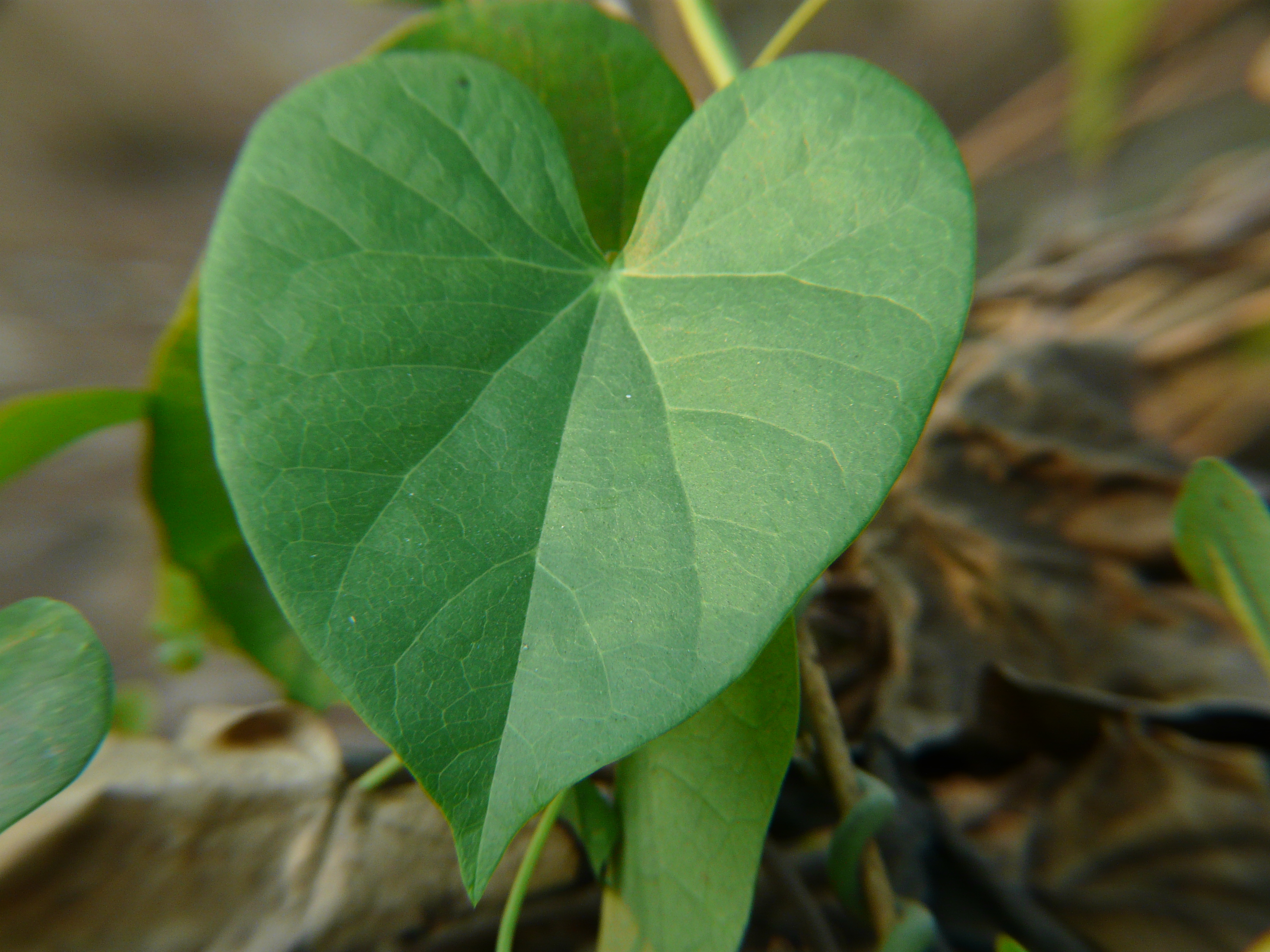
Guduchi has the powers of promoting health. In Ayurveda it is termed as ‘’Amrita’’ meaning Divine nectar. Guduchi is a very powerful nutritive tonic which helps purifying the blood, liver and kidneys.
Ramphal Benefits
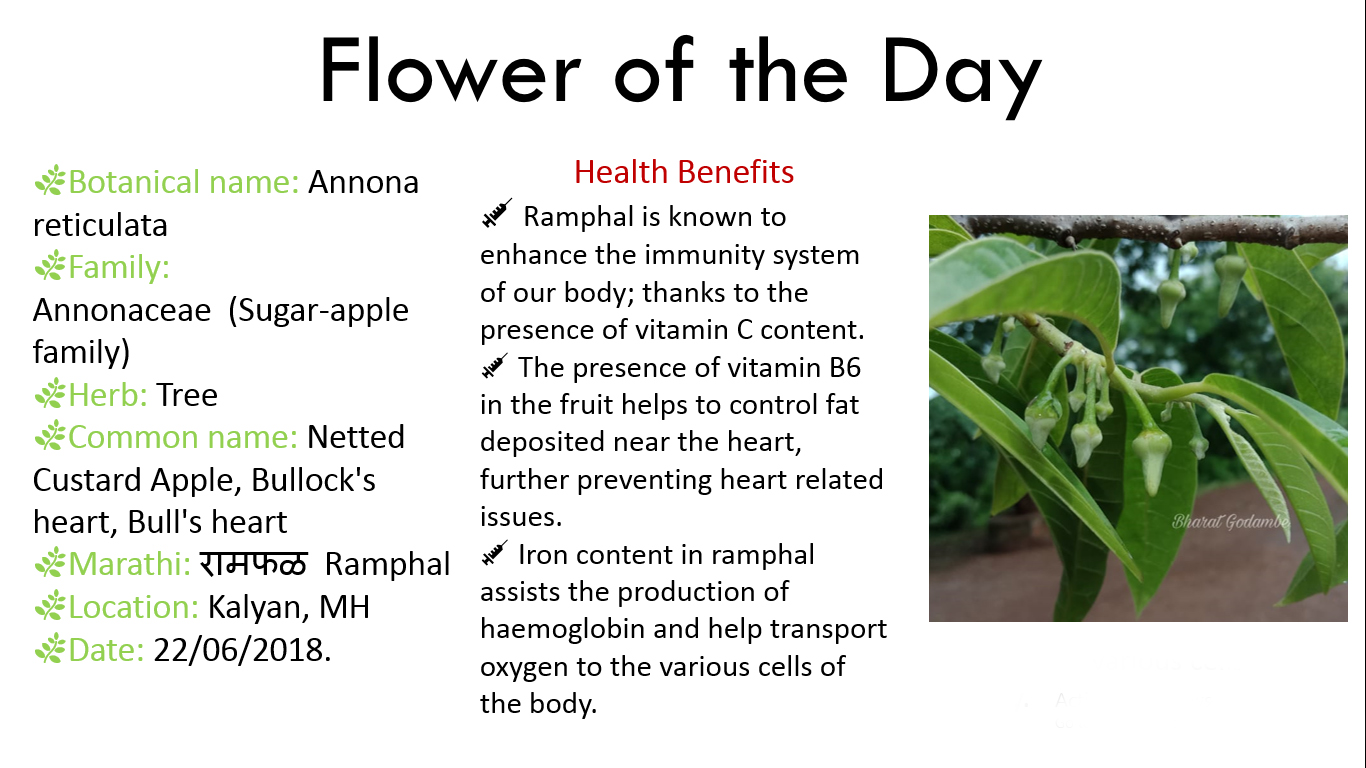
Out of the treasure trove of beautiful looking Fruit, there is ramphal, also known as bullock’s heart, which is known to have numerous health and beauty benefits.
Triphala Powder Benefits and Side effects
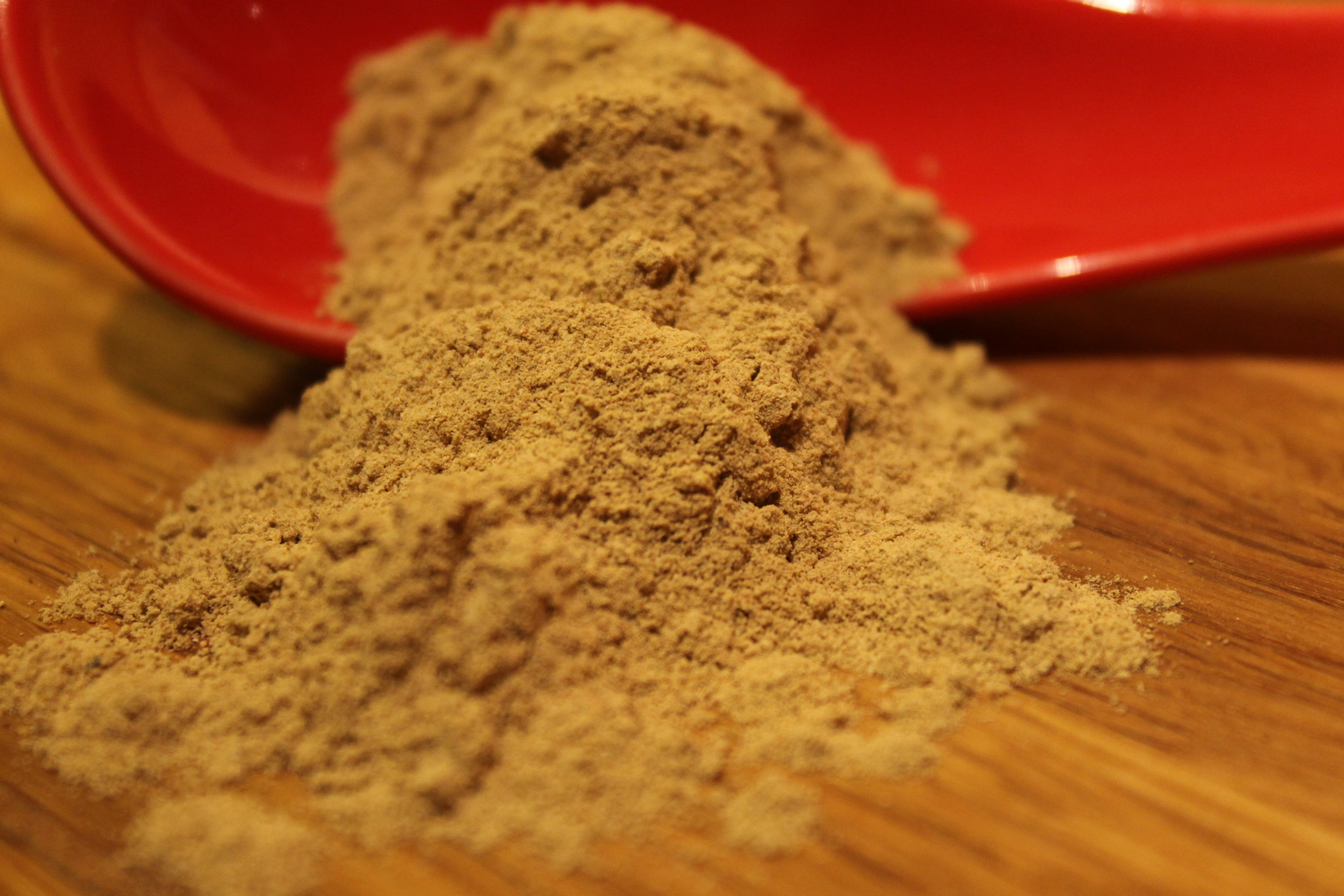
Triphala as the name suggests is a combination of 3 fruits in equal proportion. It is used for various symptoms and in various forms.
Agnimantha – Benefits, Dosage, Uses and Side effects
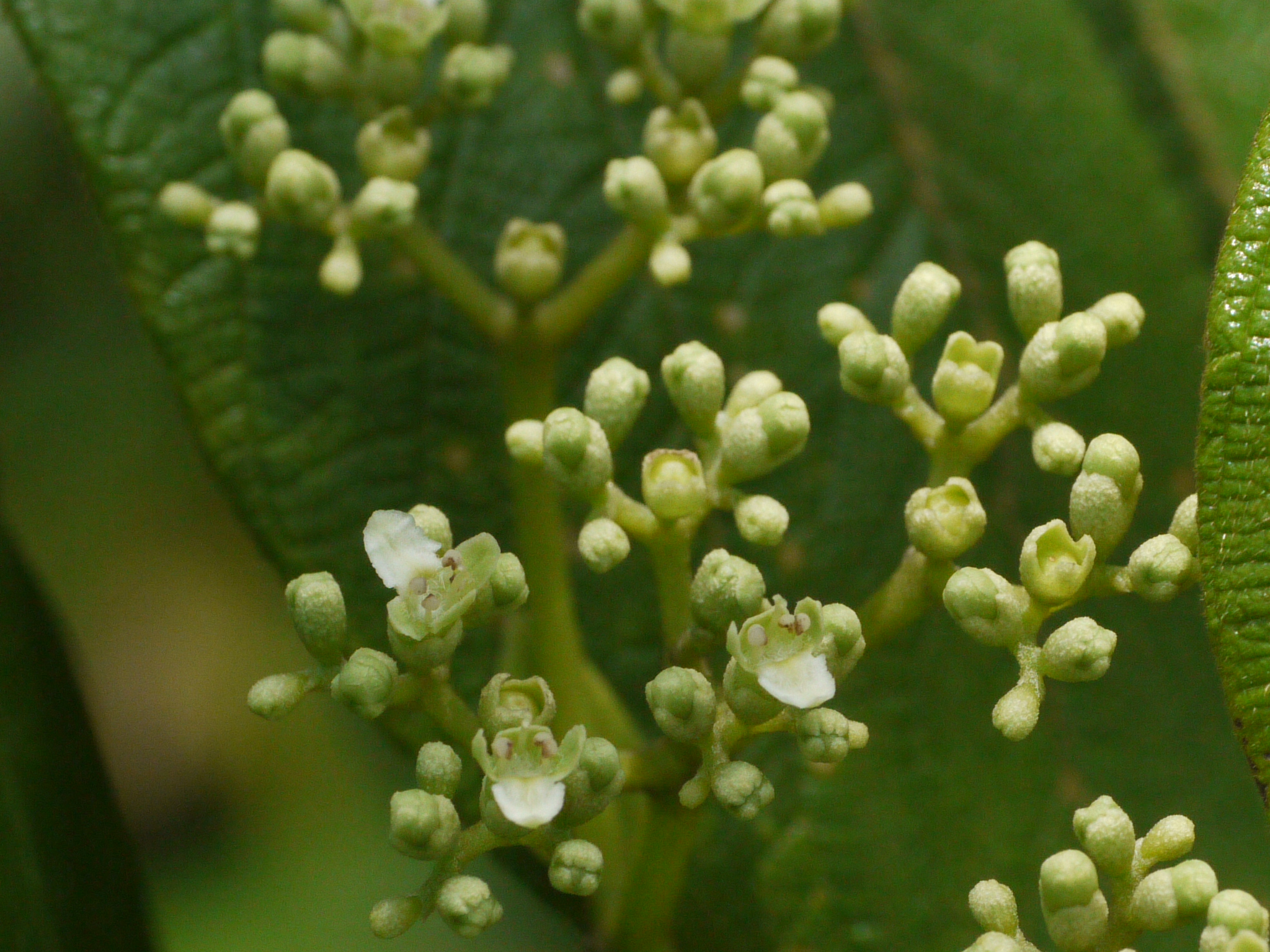
Agnimantha as the name suggests Agni – Fire and Mantha – churning was the tree whose barks were rubbed against each other to induce fire. It is one of the Dashamoola.