Dr.Malini Bhat

Parijata: Forgotten Ayurvedic Flower

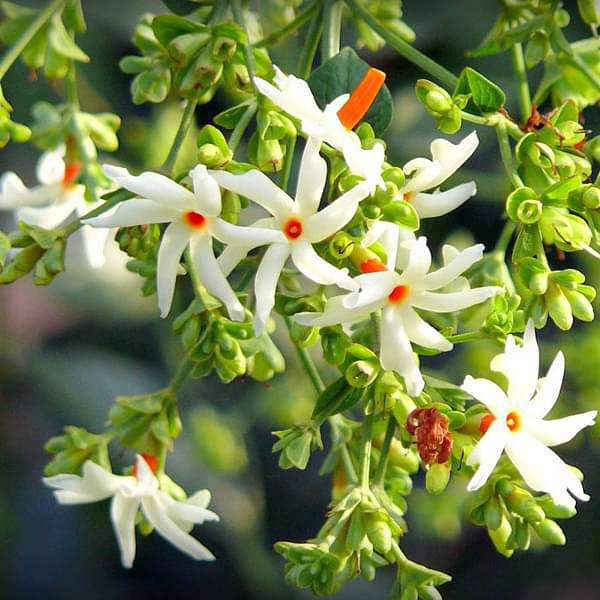
Parijata, also known as Nyctanthes arbor-tristis, is one of Ayurveda’s cherished flowering plants. Although its delicate white flowers often fall to the ground before sunrise, this fragrant tree has a long history in traditional Indian medicine. Ayurveda uses different parts of Parijata, including its leaves, flowers, bark, and seeds, in traditional preparations.

Today, many people know Parijata mainly for its beautiful flowers and spiritual significance. However, its traditional medicinal value deserves equal attention. In Ayurveda, practitioners have traditionally explored Parijata for supporting respiratory health, digestion, joint comfort, and overall balance.

Read more

Sitopaladi Churna in Asthma, Bronchitis & Allergic Rhinitis

Sitopaladi Churna in asthma, bronchitis and allergic rhinitis is widely used in Ayurvedic practice as a supportive formulation for chronic and recurrent respiratory disorders. In recent years, increasing air pollution, allergens, and lifestyle-related immune imbalance have contributed to a rise in long-standing respiratory conditions. Therefore, Ayurvedic medicines that address Kapha accumulation, weak Agni, and blocked Pranavaha Srotas play …

Read more

Forgotten Ayurvedic Flowers: Nagakesara – The Fragrant Flower of Traditional Healing

Among the many fragrant plants mentioned in classical Ayurvedic traditions, Nagakesara holds a distinctive place. Although modern wellness discussions often focus on popular herbs, several valuable flowers remain relatively unfamiliar. Therefore, the Forgotten Ayurvedic Flowers Nagakesara series brings attention to these traditional botanical treasures and explores their historical Ayurvedic significance.

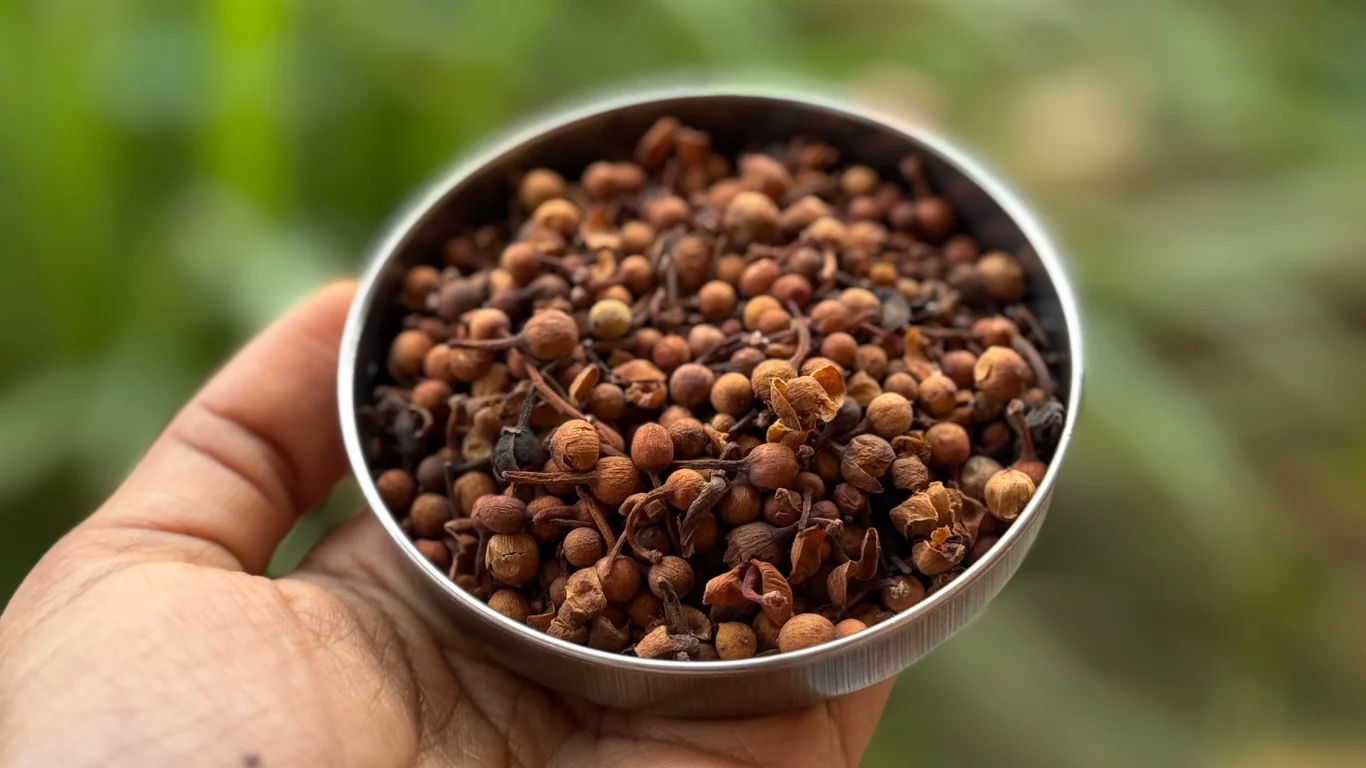
Nagakesara refers primarily to the dried stamens of Mesua ferrea, a beautiful evergreen tree known for its fragrant white flowers. In Ayurveda, practitioners have traditionally valued Nagakesara for its Kashaya (astringent) and aromatic qualities. Moreover, classical traditions associate it with digestive support, Pitta-related conditions, and certain types of excessive bleeding.

Read more

Forgotten Trees of Ayurveda: Nimba (Neem) — The Bitter Pharmacological Powerhouse

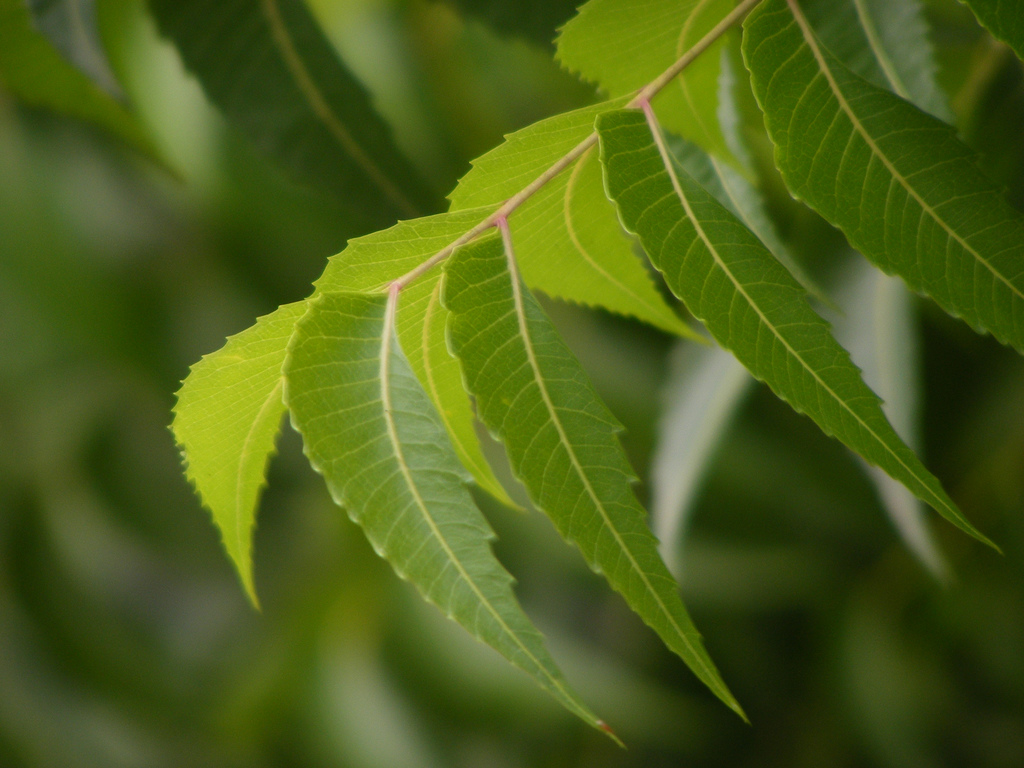
Among the medicinal trees described in Ayurveda, Nimba in Ayurveda occupies a particularly interesting position. Known today as Neem, Nimba refers botanically to Azadirachta indica A.Juss., a member of the Meliaceae family. Although modern wellness culture often reduces Neem to a simple “detox” or “skin-cleansing” herb, classical Ayurveda presents a much more sophisticated picture. Nimba has a distinctly bitter profile and traditionally enters therapeutic reasoning around Pitta, Kapha, Rakta, skin disorders, inflammation, and krimi.

Modern phytochemical research makes Nimba even more fascinating. Scientists have identified numerous limonoids, flavonoids, phenolic compounds, terpenoids, fatty acids, and other secondary metabolites across different parts of the plant. Researchers have also investigated these compounds for antimicrobial, anti-inflammatory, antioxidant, metabolic, insecticidal, and other biological activities. However, laboratory activity does not automatically translate into clinical effectiveness, so Nimba deserves a balanced scientific interpretation rather than exaggerated claims.

Read more

Forgotten Trees of Ayurveda: Rohitaka

Rohitaka holds an interesting place among the Forgotten Trees of Ayurveda. Traditionally identified with Tecomella undulata, this beautiful flowering tree has a long history of use in Ayurvedic medicine. In particular, classical Ayurvedic traditions associate Rohitaka with conditions involving the liver, spleen, blood, and Pitta-related disturbances.

Although modern herbal discussions often focus on more familiar plants, Rohitaka deserves attention because of its distinctive traditional applications. Moreover, Ayurvedic practitioners have traditionally valued its bark and other plant parts in carefully prepared formulations.

Read more

Sitopaladi Churna Uses in Respiratory Problems

Sitopaladi Churna uses in respiratory problems are widely recognised in Ayurveda for managing conditions such as cough, cold, asthma, bronchitis, sinus congestion, and recurrent respiratory infections. In today’s environment, increasing pollution, allergens, and weakened immunity have made respiratory disorders more common. Therefore, Ayurvedic formulations like Sitopaladi Churna play a crucial role in restoring respiratory balance. Moreover, Sitopaladi Churna uses …

Read more